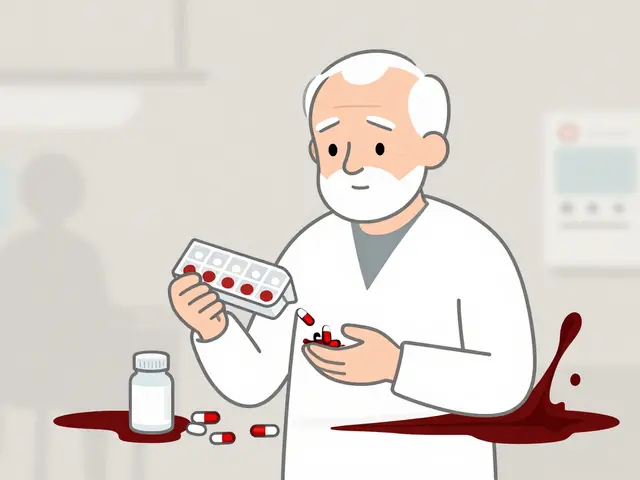
Imagine swallowing a handful of pills every morning. A blood pressure pill here, a statin there, maybe an antidepressant and a painkiller for your back. If you are taking five or more medications daily, you are not alone. In fact, nearly half of older adults in the United States take this many prescriptions, and one in five takes ten or more. This practice is known as polypharmacy, which is the regular concurrent use of five or more medications at the same time. While sometimes necessary, it carries significant risks. The World Health Organization (WHO) identifies inappropriate polypharmacy as a major patient safety concern. When medications interact poorly, they can cause side effects that lead to falls, confusion, hospitalizations, and even death. But it doesn’t have to be this way. By understanding how these interactions happen and taking control of your medication regimen, you can significantly reduce these risks.
Understanding the Risks of Multiple Medications
Polypharmacy isn't just about the number of pills; it's about what those pills do inside your body. Each medication has a specific purpose, but when combined, they can interfere with each other. For example, some drugs slow down the liver's ability to process other medications, causing them to build up to toxic levels. Others might cancel out each other's effects, leaving your condition untreated. This is often called a "drug-drug interaction."
There is also a phenomenon known as the "prescribing cascade." This happens when a doctor prescribes a new medication to treat the side effect of an existing one, without realizing the side effect was caused by the first drug. Imagine taking a blood pressure medication that causes dizziness. Instead of adjusting the dose, a new anti-dizziness drug is added. Now you're on two medications for one problem, increasing the risk of further issues. According to clinical analyses by HDRX Services, these cascades are a common driver of inappropriate polypharmacy.
The risk increases with age because our bodies change. Kidneys and livers don't filter drugs as efficiently as they did when we were younger. This means standard doses can become too strong. Additionally, care fragmentation plays a huge role. If you see a cardiologist, a dermatologist, and a primary care physician, none of them might have the full picture of your entire medication list. This lack of coordination leads to overlapping treatments and missed interactions.
Appropriate vs. Inappropriate Polypharmacy
Not all polypharmacy is bad. It is crucial to distinguish between appropriate and inappropriate use. Appropriate polypharmacy occurs when multiple medications are rationally prescribed based on evidence, considering individual patient factors. In this scenario, each drug has a clear therapeutic objective agreed upon with the patient, achieves treatment goals, and is optimized for the best benefit-risk ratio. You take them as intended, and they help you live better.
Inappropriate polypharmacy, on the other hand, involves irrational prescribing. This includes:
- Medications without applicable indications (no longer needed).
- Medications failing to meet therapeutic objectives (not working).
- Medications presenting high adverse event risks (too dangerous).
- Regimens so complex that patients cannot adhere to them.
The goal of modern healthcare is not necessarily to eliminate all multiple medications, but to ensure that every single pill serves a vital, justified purpose. The WHO’s Third Global Patient Safety Challenge emphasizes reducing inappropriate polypharmacy while maintaining appropriate care.
The Power of Deprescribing
If you have been taking a medication for years, it might no longer be necessary. This is where deprescribing comes in. Deprescribing is defined as the systematic process of identifying and discontinuing medications when potential harms outweigh benefits. It is not just about stopping drugs; it is about optimizing your health by removing unnecessary burdens.
The American Academy of Family Physicians (AAFP) recommends that physicians identify and prioritize medications to discontinue during routine visits. However, deprescribing must be done carefully. Some medications require tapering-gradually reducing the dose-to avoid withdrawal symptoms or rebound effects. For instance, suddenly stopping certain antidepressants or blood pressure meds can be dangerous. Therefore, provider oversight is essential. Never stop a medication on your own without consulting your doctor.
Research published in PMC (2024) confirms that medication reviews involving the patient are the most recommended strategy for managing polypharmacy in primary care. Effective deprescribing considers your personal goals of care and life expectancy. If a medication offers minimal benefit but significant hassle or side effects, it might be time to let it go.
| Feature | Appropriate Polypharmacy | Inappropriate Polypharmacy |
|---|---|---|
| Prescribing Basis | Rational, evidence-based | Irrational, habitual |
| Patient Agreement | Clear objectives agreed upon | Lack of understanding or consent |
| Outcome | Treatment goals achieved | High risk of adverse events |
| Adherence | Patient motivated and able | Complex regimens leading to errors |

Building Your Medication Master List
One of the simplest yet most effective tools you can use is a "Medication Master List." This is a comprehensive document that tracks everything you put into your body. According to CCVNA’s 2023 Guide to Medication Management, this list should include:
- Medication Name & Strength: e.g., Lipitor 20 mg.
- Dosage & Frequency: e.g., 1 tablet at bedtime.
- Purpose: e.g., For high cholesterol.
- Prescribing Doctor: Who wrote the prescription?
- Special Instructions: e.g., Take with food, avoid grapefruit.
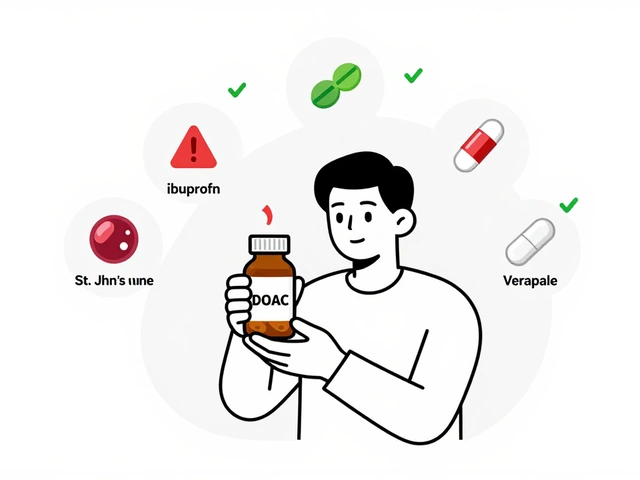
Crucially, this list must include over-the-counter (OTC) products, dietary supplements, and herbal remedies. Many people forget that vitamins and herbs can interact with prescription drugs. For example, St. John’s Wort can interfere with numerous medications, including birth control and antidepressants. Bring this master list to every medical appointment. Encourage your providers to update it together with you.
Strategies for Safe Management
Managing polypharmacy requires a proactive approach from both patients and providers. Here are practical steps to enhance safety:
- Use a Single Pharmacy: As advised by HDRX Services, using one pharmacy allows the pharmacist to monitor your entire medication profile for interactions. They act as a safety net, flagging potential conflicts before you fill the prescription.
- Establish Daily Routines: Link medication administration to existing habits, such as brushing your teeth or eating breakfast. This behavioral approach improves adherence and reduces missed doses or double-dosing.
- Regular Medication Reviews: Schedule a dedicated "meds check" with your doctor or pharmacist annually, or whenever a new chronic condition arises. Ask: "Do I still need this? Is there a simpler alternative?"
- Monitor for Side Effects: Report any new or unexpected symptoms immediately. Dizziness, nausea, or confusion could be signs of an interaction rather than a new disease.
- Involve Caregivers: If you have family members helping you, ensure they are part of the conversation. They can help track changes and ensure instructions are followed correctly.
The American Society of Health-System Pharmacists (ASHP) guidelines state that providers should not prescribe new medications for patients on five or more drugs without a comprehensive review of their existing regimen. This includes OTCs and supplements. Advocate for this review. Ask your doctor to link each medication to a specific diagnosis. If a pill doesn't have a clear job, question it.

The Role of Interdisciplinary Teams
Safe polypharmacy management is a team effort. No single provider knows everything. The NCBI Bookshelf emphasizes that every healthcare worker-including pharmacists, nurse practitioners, and doctors-must regularly determine what medications a patient takes. Pharmacists are particularly skilled at spotting drug-drug interactions. Nurse practitioners often manage chronic conditions and can spot trends in side effects. Doctors diagnose and initiate treatments.
Effective communication during care transitions is vital. When you are discharged from the hospital, ensure there is proper handoff communication to your primary care provider. Medication reconciliation at this stage prevents errors. All changes should be provided in writing. Close post-discharge follow-up helps update your medical history and catch any discrepancies early.
Consider asking for a multidisciplinary medication review. This involves your doctor, pharmacist, and possibly a nurse or specialist discussing your case together. This holistic view ensures that all angles are covered, from efficacy to cost to lifestyle impact.
Next Steps for Patients
If you suspect you are dealing with polypharmacy issues, start small. Gather all your pill bottles today. Write down exactly what you take, when you take it, and why. Note any side effects you’ve experienced. Make an appointment specifically to review these medications. Come prepared with questions like:
- "Can any of these be stopped or reduced?"
- "Are there non-drug alternatives for my conditions?"
- "Do any of these interact with my supplements?"
Remember, deprescribing should only be considered with provider approval. Do not make changes on your own. The goal is to work collaboratively with your healthcare team to simplify your regimen, minimize risks, and improve your quality of life. By staying informed and engaged, you transform from a passive recipient of prescriptions into an active manager of your health.
What is the threshold for polypharmacy?
Polypharmacy is formally defined as the regular concurrent use of five or more medications at the same time. This threshold was established because the risk for harmful drug interactions increases substantially at this point.
Is polypharmacy always dangerous?
No. There is a distinction between appropriate and inappropriate polypharmacy. Appropriate polypharmacy involves rational prescribing where each medication has a clear benefit and the risks are managed. Inappropriate polypharmacy involves unnecessary or harmful combinations.
What is a prescribing cascade?
A prescribing cascade occurs when a new medication is prescribed to treat the side effect of another medication, rather than addressing the root cause or adjusting the original dose. This leads to an unnecessary increase in medication burden.
Can I stop taking medications on my own to reduce polypharmacy?
No, you should never stop medications without consulting your healthcare provider. Some drugs require gradual tapering to avoid severe withdrawal symptoms or rebound effects. Deprescribing must be supervised by a professional.
How can I prepare for a medication review?
Create a Medication Master List that includes all prescription drugs, over-the-counter medicines, supplements, and herbs. Include the name, strength, dosage frequency, purpose, and prescribing doctor. Bring this list and all your pill bottles to your appointment.
Why should I use a single pharmacy?
Using a single pharmacy allows the pharmacist to maintain a complete record of your medications. This enables them to screen for potential drug-drug interactions and provide consistent counseling, acting as an additional layer of safety.