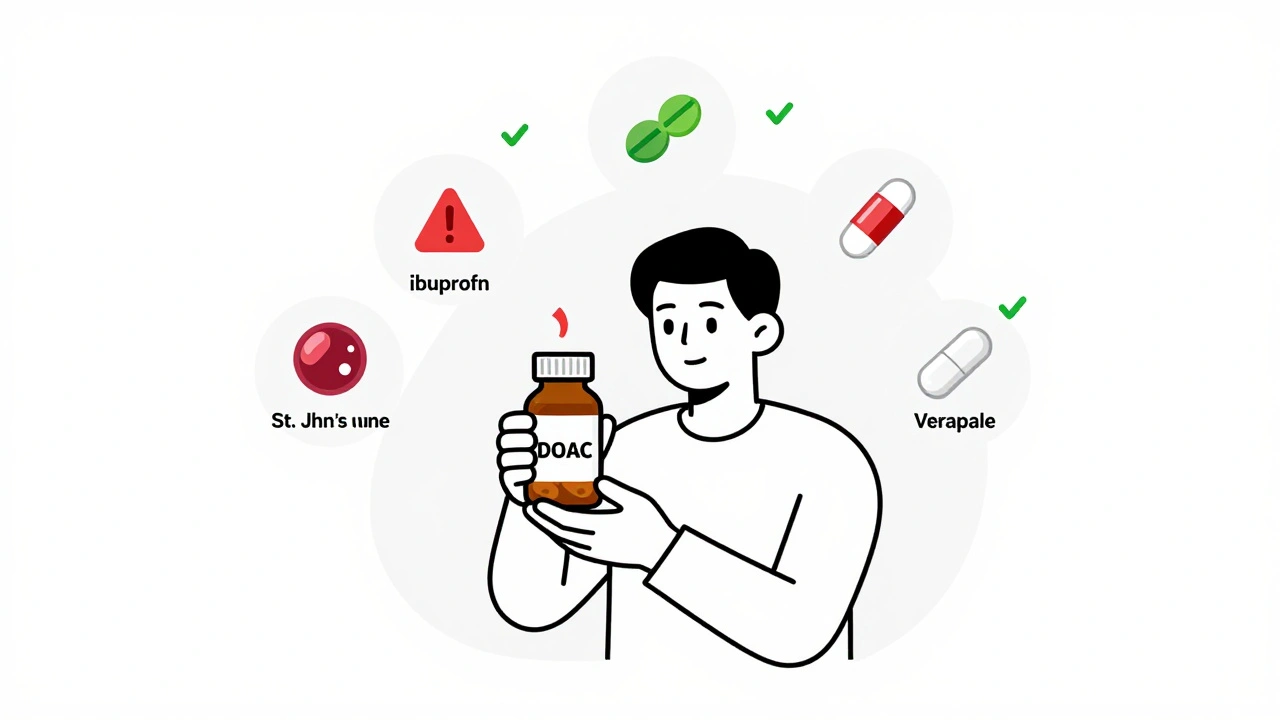
When you're on a blood thinner like apixaban, rivaroxaban, or dabigatran, even a simple change in your medication routine can be risky. These drugs - known as DOACs (Direct Oral Anticoagulants) - are meant to keep your blood flowing smoothly, but they don’t play well with everything. A common painkiller, an antibiotic, or even a heart rhythm drug can throw off your DOAC’s balance, leading to dangerous bleeding or, worse, a clot that could cause a stroke or heart attack.
Why DOACs Are Different from Warfarin
Before DOACs, most people took warfarin. It worked, but it was finicky. You needed regular blood tests, strict diet rules, and constant dose tweaks. DOACs changed that. They don’t need routine monitoring, they work faster, and they don’t care if you eat spinach or broccoli. But here’s the catch: people think that means they’re safe with everything. They’re not.
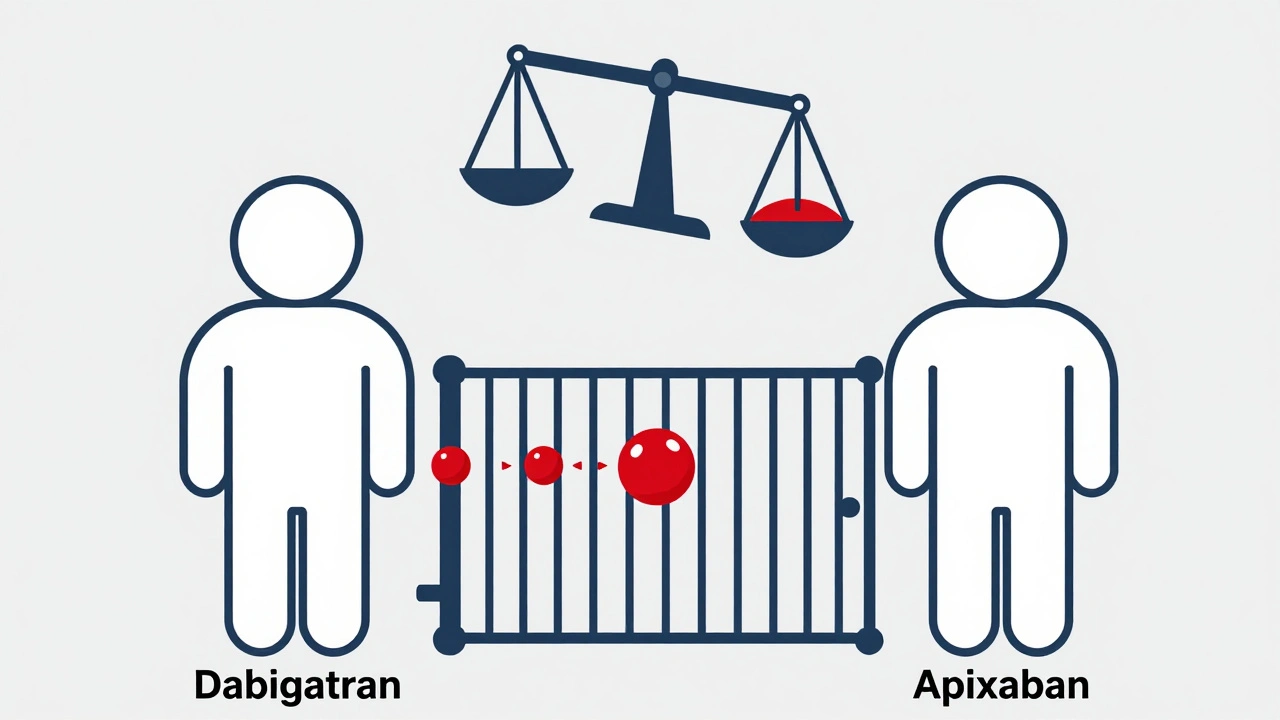
DOACs still interact with other drugs - just differently than warfarin. The big players are two systems in your body: the CYP3A4 enzyme and the P-gp transporter. These are like bouncers at a club, deciding what gets into your bloodstream and what gets kicked out. If a drug blocks or speeds up these bouncers, your DOAC levels go up or down - and that’s where trouble starts.
Which DOACs Are Most Affected?
Not all DOACs react the same way. Here’s how they stack up:
- Apixaban: About 20-25% is broken down by CYP3A4. P-gp also affects it. Moderate risk.
- Rivaroxaban: Half of it goes through CYP3A4. Strong inhibitors can push levels up dangerously.
- Dabigatran: Almost entirely handled by P-gp. Very sensitive to drugs that block this transporter.
- Edoxaban: Also P-gp-dependent. Dose needs adjustment with certain drugs.
- Betrixaban: Less commonly used, but follows the same P-gp rules.
That means if you’re on dabigatran, a drug like dronedarone (used for irregular heartbeat) can cause your levels to spike. The same drug might be okay with apixaban, but not with dabigatran. This isn’t guesswork - it’s science. And getting it wrong can be life-threatening.
Top Medications That Interfere
Here are the most common offenders - the ones you need to watch out for:
- Dronedarone: Used for atrial fibrillation. Strongly blocks P-gp. Avoid with dabigatran and rivaroxaban. If you’re on edoxaban, your dose must drop to 30 mg daily.
- Amiodarone: Another heart rhythm drug. Moderately blocks P-gp. Can raise DOAC levels. Watch for bruising, dark stools, or dizziness.
- Verapamil: A blood pressure pill. Weakly affects CYP3A4 but strongly blocks P-gp. For dabigatran users, reduce dose to 110 mg twice daily. Apixaban and rivaroxaban? Usually fine.
- Diltiazem: Also for high blood pressure and angina. Moderately blocks CYP3A4. Can increase rivaroxaban levels. Monitor for bleeding.
- Itraconazole, ketoconazole, clarithromycin: Antifungals and antibiotics. Strong CYP3A4/P-gp blockers. Don’t combine with DOACs unless absolutely necessary.
And don’t forget over-the-counter stuff. St. John’s wort - a popular herbal supplement for mood - is a strong inducer. It speeds up how fast your body clears DOACs. That means your blood won’t thin enough. You could end up with a clot.
Bleeding Risks Beyond Drug Interactions
Even if a drug doesn’t touch your DOAC’s levels, it can still make bleeding worse. These don’t change how your blood thinner works - they just add to it:
- NSAIDs: Ibuprofen, naproxen, diclofenac. These irritate your stomach lining. Combine with DOACs? Higher risk of gut bleeding.
- SSRIs: Fluoxetine, sertraline. Used for depression. They affect platelets. Add them to a DOAC? Bleeding risk climbs.
- Aspirin: Even low-dose aspirin. If you’re on it for heart protection, talk to your doctor. The combo increases bleeding without always adding benefit.
Studies show that 150 mg of dabigatran, rivaroxaban, and 60 mg edoxaban carry higher rates of gastrointestinal bleeding than warfarin. But 110 mg dabigatran and apixaban? Their bleeding rates are similar to warfarin. That’s why dosing matters - and why your doctor shouldn’t just copy-paste a prescription.
What About Kidney Problems?
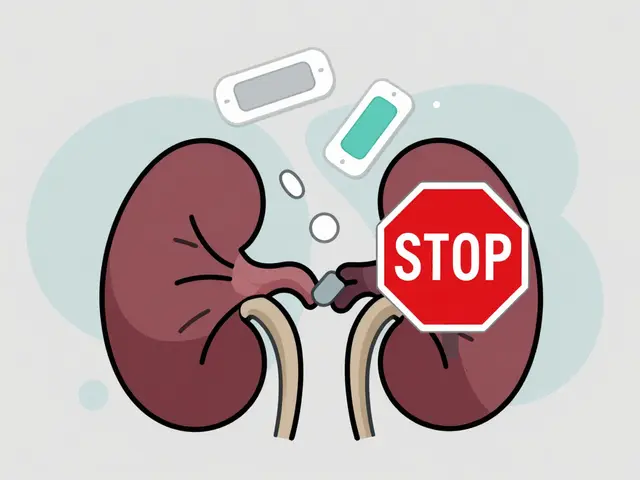
Most DOAC patients are older. Many have kidney issues. And here’s the double whammy: poor kidney function means your body clears DOACs slower. Add a P-gp blocker on top? Your drug levels can soar.
That’s why dose reductions are built into the guidelines. For example, if you have moderate kidney impairment and take rivaroxaban for atrial fibrillation, you might be switched from 20 mg to 15 mg. If you add verapamil? That 15 mg could become too much. Your doctor needs to look at your creatinine clearance, your meds, and your DOAC - all at once.
There’s no easy formula. It’s not just ‘add this, subtract that.’ It’s a puzzle. And if you’re on five or more medications - which most DOAC patients are - the chances of a hidden interaction go up fast.
What Should You Do?
You don’t need to memorize every drug interaction. But you do need to be proactive:
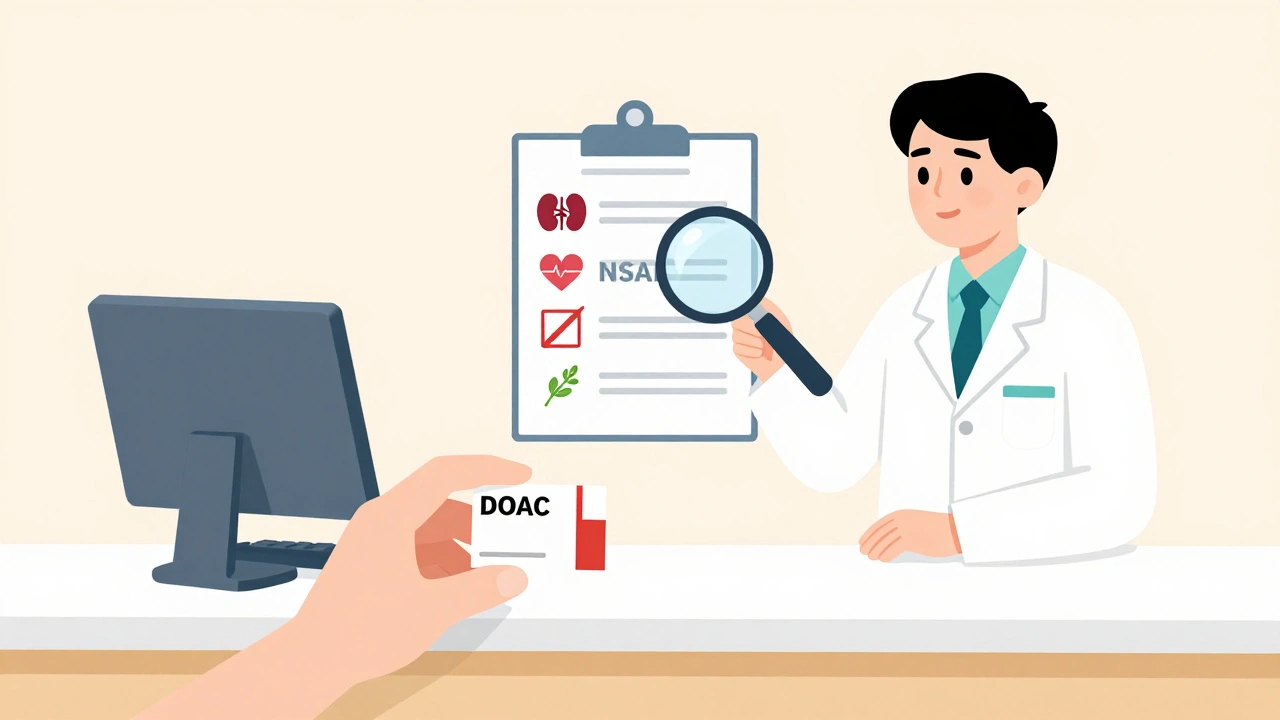
- Make a full list of everything you take - prescriptions, supplements, vitamins, herbal teas. Include frequency and dose.
- Bring it to every appointment. Even if you think it’s harmless. That ginkgo biloba? That turmeric capsule? They can matter.
- Ask your pharmacist. Pharmacists are trained to catch these interactions. Don’t assume your doctor knows every combo.
- Watch for signs of bleeding: Unexplained bruising, pink or red urine, black stools, headaches, dizziness. Call your doctor immediately.
- Don’t start or stop anything without checking. Even a new cold medicine can be risky.
And if you’re switched from one DOAC to another? That’s not just a name change. It’s a whole new interaction profile. Apixaban might be safer with your blood pressure pill than dabigatran. But only your care team can tell you that.
The Bottom Line
DOACs are safer than warfarin in many ways - but not because they’re magic. They’re safer because they’re predictable. But only if you treat them like the powerful drugs they are.
Thousands of people take DOACs without problems. But those who do have complications? Often, it’s because someone didn’t ask the right questions. Maybe the doctor didn’t know about the new antidepressant. Maybe the patient didn’t mention the fish oil. Maybe the pharmacist didn’t flag the interaction because the system didn’t alert them.
You are your own best advocate. Keep a list. Ask questions. Don’t assume. And if you’re unsure - pause. A simple phone call to your pharmacy or anticoagulation clinic could prevent a hospital visit.
DOACs aren’t the problem. The problem is thinking they’re harmless. They’re not. They’re precise tools. Use them right, and they save lives. Use them carelessly, and they can end them.
Can I take ibuprofen with a DOAC?
It’s not recommended. Ibuprofen and other NSAIDs can irritate your stomach lining and increase bleeding risk when combined with DOACs. If you need pain relief, acetaminophen (paracetamol) is usually safer. But always check with your doctor first - especially if you have kidney issues or a history of ulcers.
Is it safe to take St. John’s wort with apixaban?
No. St. John’s wort strongly activates CYP3A4 and P-gp, which speeds up how fast your body removes apixaban. This can drop your drug levels enough to leave you unprotected from clots. Even if you feel fine, you could be at risk for stroke or DVT. Stop it before starting apixaban, and never restart without talking to your doctor.
Why can’t I take dronedarone with dabigatran?
Dronedarone strongly blocks P-gp, the main transporter that clears dabigatran from your body. When they’re taken together, dabigatran builds up to dangerous levels, increasing bleeding risk significantly. Studies show this combo can lead to major bleeding events. The guidelines say: avoid it completely. If you need a heart rhythm drug and are on dabigatran, your doctor will pick another option.
Do I need blood tests to monitor DOACs?
Routine blood tests aren’t needed for DOACs like they are for warfarin. But in certain situations - like kidney failure, overdose, or major surgery - your doctor might order a special test called an anti-Xa assay (for apixaban, rivaroxaban, edoxaban) or ecarin clotting time (for dabigatran). These are not routine, but they’re available when things get complicated.
What if I miss a dose of my DOAC?
If you miss a dose, take it as soon as you remember - but only if it’s within 6 hours of your scheduled time. If it’s been longer, skip it and take your next dose at the regular time. Never double up. Missing doses increases clot risk; doubling up increases bleeding risk. Always follow your doctor’s specific instructions - they vary slightly by drug and condition.
Are DOACs safe during dental work?
Yes, for most procedures. You usually don’t need to stop your DOAC for fillings, extractions, or gum surgery. The bleeding risk is low, and stopping the drug increases clot risk. Your dentist should know you’re on a DOAC - they’ll use techniques to minimize bleeding. Only stop the drug if your doctor specifically says so, usually for major oral surgery.
Declan Flynn Fitness
December 1, 2025 AT 17:16Just want to say this is one of the clearest explanations of DOAC interactions I've ever read. I've been on rivaroxaban for 3 years and never realized how much verapamil could mess with it. My cardiologist never mentioned it. I'm going to ask my pharmacist to review my med list tomorrow. Thanks for the detailed breakdown.
Kay Lam
December 3, 2025 AT 15:59People treat these drugs like they're just fancy aspirin but they're not. I had a friend on dabigatran who started taking turmeric supplements for his arthritis and ended up in the ER with internal bleeding. No one told him it could interact. The system fails us when we're expected to self-educate on pharmacokinetics while juggling jobs and families. We need better alerts in the EHR systems. This isn't about being paranoid it's about being informed.
Matt Dean
December 4, 2025 AT 20:33So you're telling me that taking ibuprofen with a DOAC is like playing Russian roulette with your stomach lining? And people still do it because it's OTC? That's not just ignorance that's criminal negligence. Doctors are too busy to explain this stuff and patients are too lazy to read the damn pamphlets. Someone needs to start a campaign called 'Stop Being a Statistic.' I'd donate.
Walker Alvey
December 5, 2025 AT 08:38Oh wow a 10 page essay on how not to die from your blood thinner. Groundbreaking. Next up: The Perils of Breathing While on Anticoagulants. Seriously though if you're taking 5 meds and don't know what each one does you probably shouldn't be left alone with a knife let alone a prescription pad. Maybe the real problem isn't the drugs it's the people who take them without reading the fine print.
Michelle Smyth
December 5, 2025 AT 17:21The entire framework of DOAC management is predicated on a neoliberal illusion of patient autonomy. You're expected to become a pharmacologist overnight while the healthcare industrial complex offloads risk onto the vulnerable. The fact that we're debating whether St. John’s wort is safe with apixaban rather than banning its unregulated sale speaks volumes about the moral decay of pharmaceutical governance.
patrick sui
December 7, 2025 AT 15:42Great post. One thing I'd add is that even natural products like green tea extract or cranberry juice can have subtle effects on P-gp. I've seen patients on apixaban who swear they only take 'natural stuff' and then get GI bleeds. It's not just the big drugs. Also if you're on edoxaban and have CKD stage 3 or worse always check creatinine clearance before any dose change. The guidelines are clear but not always followed. And yes your pharmacist is your secret weapon.
Declan O Reilly
December 9, 2025 AT 04:52Just got switched from warfarin to apixaban last month and this post saved my life literally. I was about to start taking melatonin for sleep and thought it was harmless. Now I know it can lower levels. I printed this out and gave it to my doctor. She said she'd never seen a patient come in so prepared. You're right we need to be our own advocates. I'm gonna start a little notebook for my meds. Maybe I'll call it 'The DOAC Bible.'
Conor Forde
December 10, 2025 AT 23:25DOACs are just Big Pharma's glittery trap to make us forget how much easier warfarin was. At least with warfarin you knew you were being monitored. Now you're just a number in a spreadsheet with a pill bottle labeled 'magic blood thinner.' And don't even get me started on the fact that we're supposed to trust pharmacists who can't even spell 'dabigatran' right. This whole system is a scam. I'm going back to aspirin. At least I know what aspirin does.
Louise Girvan
December 11, 2025 AT 00:32Wait… so if I take a beta-blocker and an NSAID and a statin and a DOAC… am I just one sneeze away from bleeding out? Is this why my cousin died at 52? Did the doctors not know? Are they all just incompetent? I'm not taking any more pills. I'm moving to Alaska and living off berries. At least then I won't have to worry about drug interactions.
Linda Migdal
December 12, 2025 AT 20:18This is why America needs to stop letting foreign doctors prescribe these drugs. In my country we still use warfarin because we know how to manage it. You can't trust these newfangled 'DOACs' with their fancy names and no lab tests. It's a globalist plot to make us dependent on expensive imported meds. Stick with what works. Warfarin. Blood tests. Discipline. That's American medicine.
Tommy Walton
December 14, 2025 AT 15:18DOACs = 10/10. NSAIDs = 0/10. St. John’s wort = 0/10. My pharmacist flagged 3 interactions I didn't know about. I'm now a believer. 🙌
James Steele
December 14, 2025 AT 18:43The ontological insecurity of the modern anticoagulant patient is a direct consequence of the epistemological collapse of clinical pharmacology. We are no longer patients-we are data points in a probabilistic algorithm. The CYP3A4/P-gp axis is not merely a metabolic pathway; it is the new frontier of existential vulnerability in late-stage capitalism.
Patrick Smyth
December 15, 2025 AT 16:44My wife is on rivaroxaban and she took a cold medicine with pseudoephedrine last week and then started coughing up blood. We didn't know it could do that. She's fine now but I'm scared to let her take anything anymore. I just sit there with a clipboard and a calculator trying to figure out what's safe. This isn't living. This is surviving.
Adrian Barnes
December 16, 2025 AT 10:40It is not surprising that individuals who fail to comprehend the biochemical complexity of drug metabolism continue to treat anticoagulants as recreational substances. The failure of the healthcare system to adequately educate patients is not an accident-it is a predictable outcome of commodified care. The responsibility for lethal outcomes lies not with the medication, but with the systemic abandonment of clinical diligence. This post is a monument to what should have been standard practice.