Vitamin D & Thiazide Interaction Risk Calculator
Input Your Details
Symptom Checker
Check any symptoms you are currently experiencing:
Calculating...
Recommended Action Plan
Imagine taking two of the most common medications in your cabinet. One is a blood pressure pill prescribed by your doctor to keep your heart healthy. The other is an over-the-counter vitamin D supplement you picked up to boost your immune system or bone strength. On paper, they seem like perfect partners for a long, healthy life. But inside your body, they might be working against each other in a dangerous way.
The combination of thiazide diuretics and high-dose vitamin D supplements creates a hidden trap for many patients. This interaction can lead to hypercalcemia, which is dangerously high levels of calcium in the blood. It’s not just a theoretical risk; it’s a real medical emergency that lands thousands of people in hospitals every year. If you are on a thiazide for hypertension and popping vitamin D pills, understanding this mechanism could save you from severe symptoms like kidney stones, confusion, and even cardiac arrest.
How the Interaction Works: The Dual-Hit Effect
To understand why this happens, we need to look at what these drugs do individually. They don’t fight each other; they accidentally team up to overload your system with calcium. This is often called a "dual-hit" effect on your body’s calcium balance.
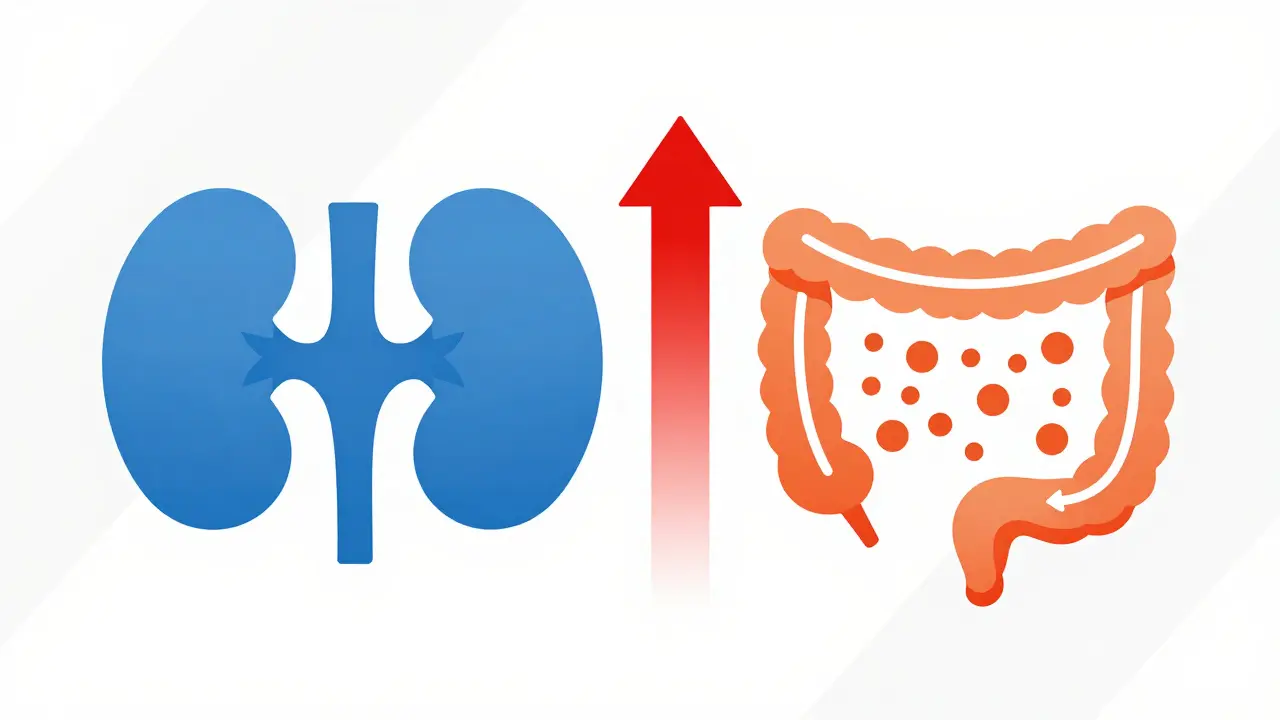
First, let’s talk about thiazide diuretics, such as hydrochlorothiazide (HCTZ) or chlorthalidone. These are water pills used to treat high blood pressure. Their main job is to help your kidneys remove excess sodium and water. However, they have a side effect that doctors actually like for bone health: they reduce the amount of calcium your kidneys throw away in urine. Studies show thiazides can cut urinary calcium excretion by 30% to 40%. Your body keeps more calcium than usual.
Now add vitamin D into the mix. Vitamin D, specifically its active form calcitriol, helps your intestines absorb calcium from the food you eat. When you take high doses of vitamin D supplements, your gut pulls significantly more calcium into your bloodstream-sometimes increasing absorption by up to 80% depending on the dose.
When you combine them, you get a perfect storm. Your gut is absorbing record amounts of calcium thanks to the vitamin D, while your kidneys are refusing to flush out the excess because of the thiazide. The result? Calcium builds up in your blood faster than your bones can store it. This leads to hypercalcemia.
Who Is at Highest Risk?
Not everyone who takes both medications will develop hypercalcemia. The risk depends heavily on dosage, age, and individual genetics. According to data from the Mayo Clinic, about 2-3% of patients on long-term thiazide therapy develop hypercalcemia. But when you add high-dose vitamin D (more than 4,000 IU per day), that risk jumps to 8-12%.
Here are the groups most vulnerable to this interaction:
- Elderly Patients: Older adults often have reduced kidney function, making it harder to clear excess calcium. A 2023 commentary in JAMA Internal Medicine noted that 22% of hypercalcemia cases in patients over 65 were linked to this specific drug combination.
- High-Dose Supplement Users: People taking 5,000 IU or more of vitamin D daily without medical supervision are at significant risk. Many buy these high-potency bottles online without realizing the danger.
- Patients on Chlorthalidone: While hydrochlorothiazide is common, chlorthalidone has a stronger calcium-sparing effect, reducing urinary calcium by up to 42%. This makes the interaction slightly more potent.
- Those with Existing Kidney Issues: Reduced renal function amplifies the retention of calcium.
It is also worth noting that men and women are affected differently. Women, who are more likely to take calcium and vitamin D for osteoporosis prevention, may unknowingly stack these risks if they are also being treated for hypertension.
Symptoms You Should Not Ignore
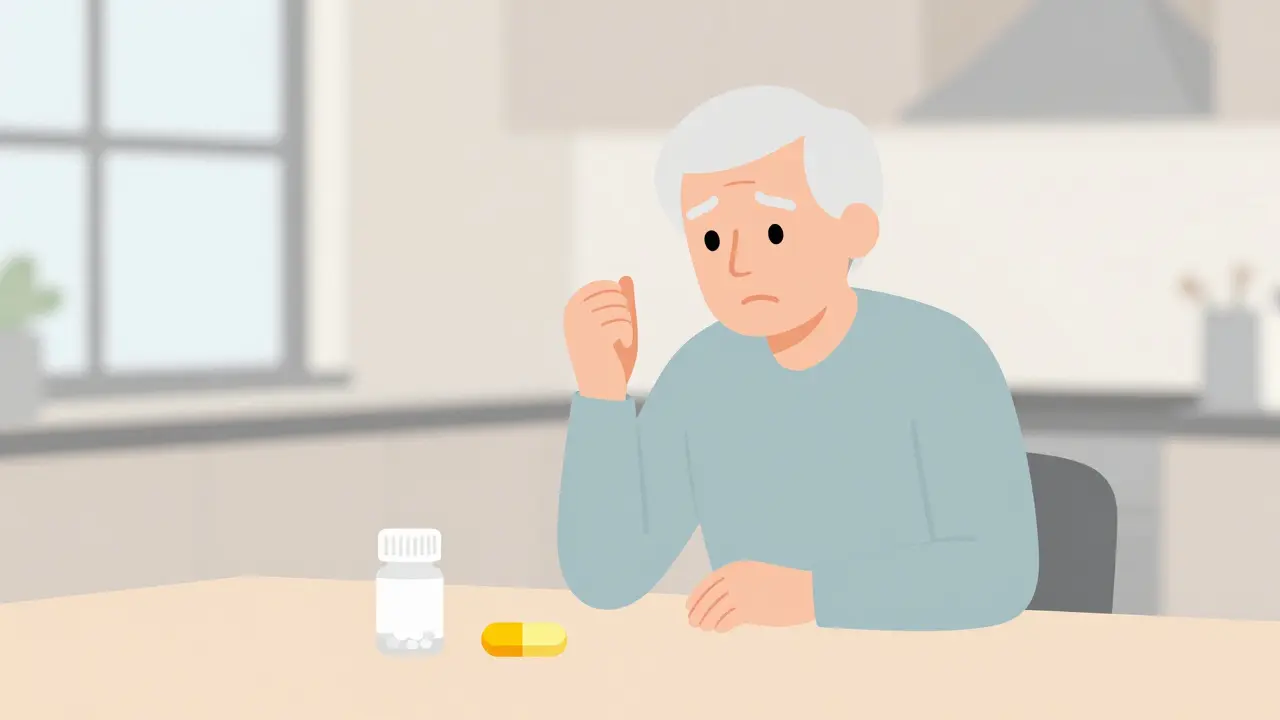
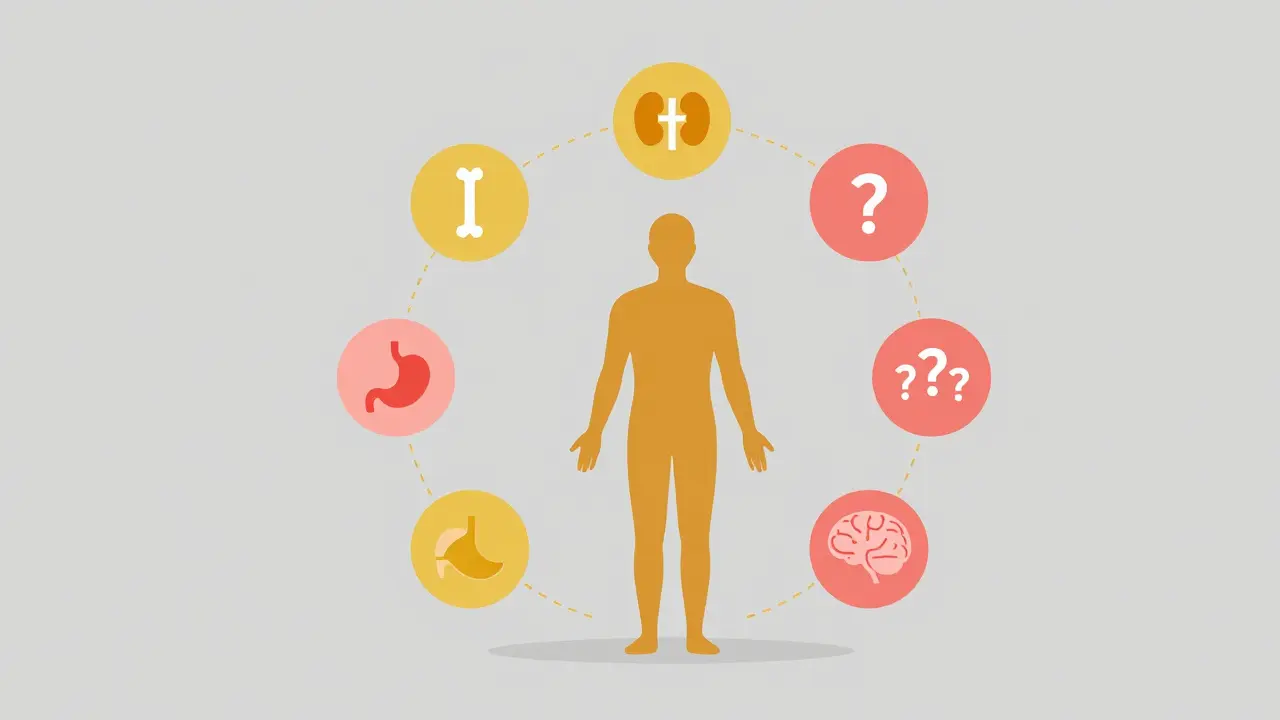
Hypercalcemia doesn’t always announce itself with sirens. In fact, mild cases can be silent, detected only through blood tests. However, as calcium levels rise above 10.5 mg/dL, symptoms become noticeable and increasingly severe. Doctors often remember the signs with the mnemonic: "Stones, Bones, Groans, and Psychiatric Overtones."
Here is what to watch for:
- Kidney Stones (Stones): Excess calcium travels to the kidneys, forming painful stones. You might feel sharp pain in your back or side, nausea, or see blood in your urine.
- Bone Pain (Bones): Paradoxically, while there is too much calcium in the blood, your bones might suffer. High calcium can disrupt normal bone remodeling, leading to weakness or pain.
- Gastrointestinal Issues (Groans): Constipation is a major red flag. You might also experience loss of appetite, nausea, vomiting, or abdominal pain.
- Mental Changes (Psychiatric Overtones): Confusion, fatigue, depression, memory problems, and even hallucinations can occur. In elderly patients, sudden confusion is often mistaken for dementia but may actually be metabolic.
- Cardiac Issues: Severe hypercalcemia affects the electrical signals in your heart, potentially causing irregular heartbeats (arrhythmias) or fainting.
If you are on a thiazide and start feeling unusually tired, constipated, or confused after starting a new vitamin D regimen, do not ignore it. Seek medical attention immediately.
| Diuretic Type | Effect on Urinary Calcium | Hypercalcemia Risk with Vit D | Common Examples |
|---|---|---|---|
| Thiazide | Decreases (Retains Calcium) | High | Hydrochlorothiazide, Chlorthalidone |
| Loop Diuretics | Increases (Excretes Calcium) | Low / Protective | Furosemide, Bumetanide |
| Potassium-Sparing | No Significant Effect | Neutral | Spironolactone, Amiloride |
Safe Dosage Guidelines and Monitoring
You do not necessarily have to stop taking either medication. Both thiazides and vitamin D are crucial for many patients. The key is management. The American Society of Nephrology and the Endocrine Society provide clear guidelines to minimize risk.
Limit Vitamin D Intake: For patients on thiazides, experts recommend keeping vitamin D supplementation below 2,000 IU per day unless closely monitored. The standard recommendation for general adults is 600-800 IU, which is generally safe. Avoid megadoses (5,000 IU+) unless prescribed and monitored by a specialist.
Monitor Blood Calcium Levels: This is non-negotiable. You should have your serum calcium checked:
- Before starting a thiazide if you are already taking vitamin D.
- Three months after starting or changing the dose of either medication.
- Every 6 to 12 months thereafter for stable patients.
Check Hydration: Dehydration worsens hypercalcemia because less water means more concentrated calcium in the blood. Drink plenty of fluids, especially in hot weather or during exercise.
Consider Alternatives: If you cannot tolerate the monitoring or have recurrent hypercalcemia, talk to your doctor about switching from a thiazide to a different class of blood pressure medication. Loop diuretics like furosemide actually increase calcium excretion, acting as a counterbalance to vitamin D. ACE inhibitors or ARBs are other options that do not affect calcium handling significantly.
Real-World Challenges and Patient Awareness
A major problem is lack of awareness. A 2022 survey found that 61% of seniors taking thiazides did not know they needed to monitor their calcium levels when taking vitamin D. Many patients view vitamin D as harmless food, not a potent hormone precursor. Meanwhile, doctors are busy. A 2023 survey showed that while 78% of internists knew about the interaction, only 42% knew the correct monitoring frequency.
This gap leads to preventable hospitalizations. In the UK and US, emergency department visits for drug-induced hypercalcemia related to this combination account for a significant portion of cases. Health systems like Kaiser Permanente have started using electronic health record alerts to warn doctors when a patient on thiazides is prescribed high-dose vitamin D, reducing inappropriate combinations by 63%.
As a patient, you must be your own advocate. Bring a list of all supplements to your appointments. Ask your pharmacist: "Does my blood pressure pill interact with my vitamins?" Simple questions can prevent complex emergencies.
Future Directions and Genetic Testing
Science is moving toward personalized medicine to solve this issue. In 2023, the FDA approved a companion diagnostic test called CalcCheck. This test looks for genetic variants in the calcium-sensing receptor gene. Some people are genetically predisposed to retain more calcium when on thiazides. Knowing your genetic risk profile could help doctors decide whether to prescribe a thiazide or choose a safer alternative from the start.
Newer thiazide-like diuretics, such as metolazone, are also being studied. Early research suggests they may have a weaker calcium-sparing effect compared to traditional thiazides, potentially offering a safer middle ground for patients who need both blood pressure control and vitamin D supplementation.
Can I take any vitamin D if I am on hydrochlorothiazide?
Yes, but caution is required. Low doses (600-800 IU/day) are generally considered safe for most people. However, you should avoid high-dose supplements (above 2,000 IU/day) without regular blood tests to monitor your calcium levels. Always consult your doctor before starting any new supplement.
What are the first signs of hypercalcemia?
Early symptoms can be subtle and include fatigue, excessive thirst, frequent urination, and constipation. As calcium levels rise, you may experience nausea, vomiting, abdominal pain, confusion, or muscle weakness. Severe cases can lead to kidney stones or heart rhythm problems.
Is chlorthalidone safer than hydrochlorothiazide regarding calcium?
No, chlorthalidone is actually associated with a stronger calcium-retaining effect. Studies show it reduces urinary calcium excretion by up to 42%, compared to about 35% for hydrochlorothiazide. Therefore, the risk of hypercalcemia when combined with vitamin D may be slightly higher with chlorthalidone.
How often should I get my calcium levels checked?
If you are taking both a thiazide diuretic and vitamin D, you should have your serum calcium checked before starting treatment, again at 3 months, and then every 6 to 12 months if levels remain stable. More frequent testing may be needed if you change dosages or have kidney issues.
Are loop diuretics a safe alternative?
Loop diuretics like furosemide increase calcium excretion, which can actually protect against hypercalcemia. However, they are typically reserved for specific conditions like heart failure or edema rather than simple hypertension. Switching medications should only be done under strict medical supervision.