
Imagine a busy hospital pharmacy during a morning rush. Dozens of prescriptions are flooding in, while technicians are prepping complex IV bags and pharmacists are double-checking dosages. In this high-pressure environment, a single misplaced decimal point or a look-alike medication bottle can lead to a catastrophic mistake. For years, the industry relied on human vigilance, but as the 1999 "To Err is Human" report famously revealed, preventable medication errors were causing up to 98,000 deaths annually in U.S. hospitals. It became clear that we couldn't just tell staff to "be more careful"; we needed a system that made it nearly impossible to fail.
Modern pharmacy workflow is no longer just a sequence of steps; it is a technology-driven safety net. By integrating robotics, barcode scanning, and smart software, pharmacies are moving toward a closed-loop system where every pill and vial is verified multiple times before it ever reaches a patient. If you are looking to understand how these systems actually stop dispensing errors and where the bottlenecks usually happen, this guide breaks down the mechanics of modern pharmacy safety.
The Core Components of a Safe Pharmacy Workflow
A reliable workflow isn't just one piece of software; it's a combination of several tools working together to remove guesswork. The goal is to create a "fail-safe" where the system alerts the human the moment something doesn't add up.
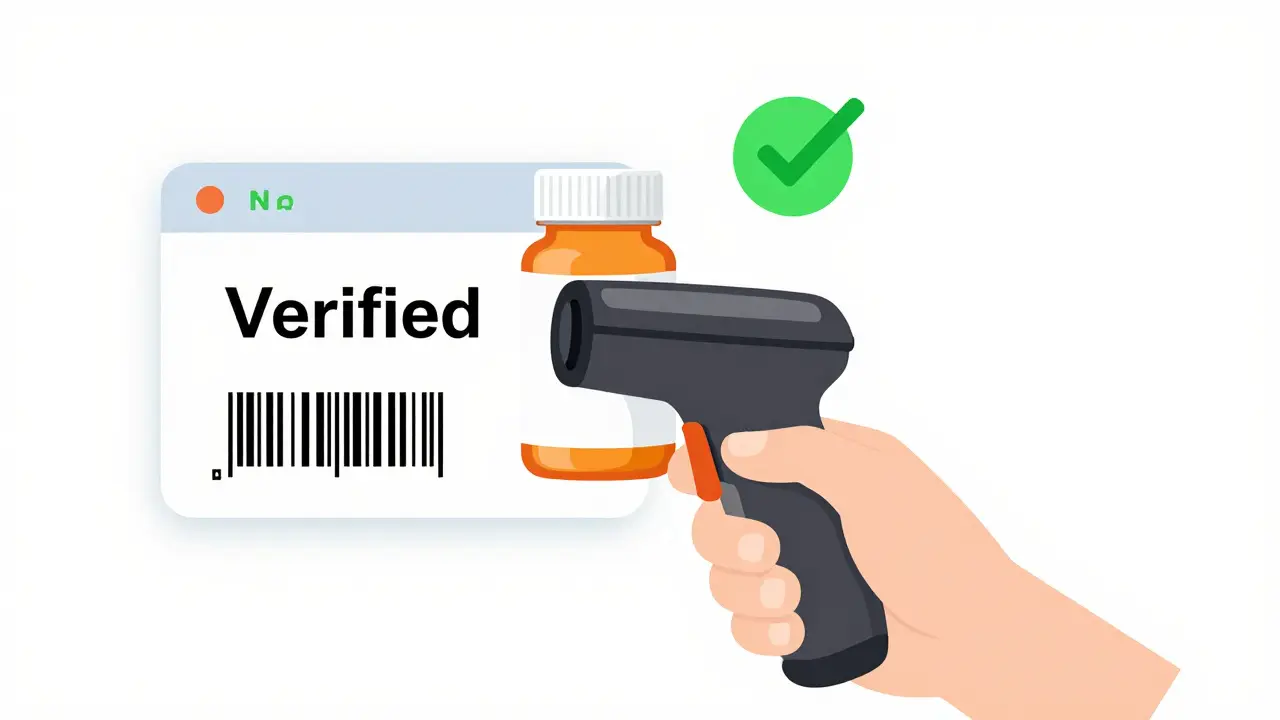
- Barcode Verification: This is the gold standard. Instead of reading a label and guessing if it's the right drug, the technician scans the stock bottle and the prescription. If they don't match, the system locks the process until it's corrected.
- Electronic Prescription Processing: By removing handwritten notes, pharmacies eliminate "interpretation errors"-those dangerous moments where a pharmacist guesses what a doctor's scribble actually means.
- Automated Drug Interaction Checks: Modern systems automatically cross-reference a new prescription against the patient's entire medical history. If a patient is allergic to penicillin or is taking a drug that reacts badly with the new medication, a red flag pops up immediately.
- Inventory Management: Smart modules track expiration dates and stock levels in real-time, preventing the accidental dispensing of expired meds or the chaos caused by unexpected shortages.
When these components are linked via HL7 (a global standard for transferring clinical data), the pharmacy can communicate bi-directionally with the hospital's Electronic Health Record (EHR). This means the pharmacist sees the same patient data the doctor does, creating a single source of truth.
Specialized Systems for IV Compounding
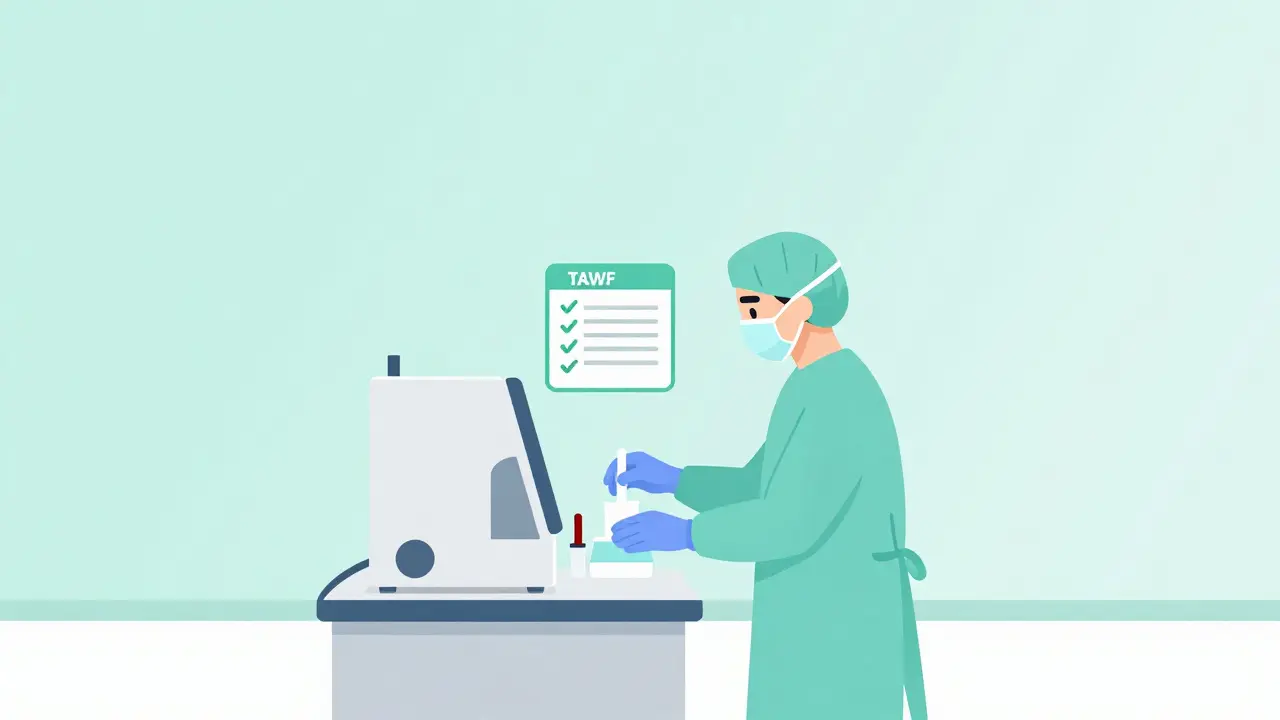
Standard pill dispensing is one thing, but IV (intravenous) compounding is where the risk spikes. Because these medications go directly into the bloodstream, there is zero room for error. This has led to the rise of Technology-Assisted Workflow (TAWF), specifically designed for sterile environments.
Systems like Simplifi+ focus on the unique needs of infusion centers and hospital "clean rooms." Instead of a technician relying on a paper checklist, TAWF provides a digital guide for every single step of the compounding process. It identifies the exact medications needed for a specific patient's prep and forces the user to verify each ingredient before proceeding.
The impact of these specialized systems is staggering. Studies have shown that technology-assisted workflows can detect up to 14 times more errors than manual processes. By automating the measurement and compounding of drugs, pharmacies reduce the "turnaround time" and virtually eliminate the risk of using the wrong diluent or dose in a complex IV bag.
| System Type | Primary Goal | Key Feature | Best For |
|---|---|---|---|
| Comprehensive Management (e.g., Epic, Cerner) | Total Hospital Integration | Full EHR connectivity | Large Health Systems |
| IV Workflow (e.g., Simplifi+) | Sterile Compounding Safety | Step-by-step TAWF guidance | Infusion Centers / Sterile Rooms |
| Workflow Optimization (e.g., Cflow, KanBo) | Operational Efficiency | Task tracking & templates | Independent Pharmacies |
| Automated Dispensing (e.g., Pyxis) | Secure Drug Access | Robotic retrieval/Lockers | Inpatient Floor Wards |
How These Systems Actually Stop Errors
To understand how these systems work, you have to look at the "human-system interface." Errors usually happen during transitions-when a prescription moves from the doctor to the pharmacist, or from the pharmacist to the technician. Error prevention systems act as a bridge at these transition points.
First, there is the Screening Phase. When an order arrives, the pharmacist uses the workflow system to validate the patient's identity and history. The system automatically flags potential drug-drug interactions. If a doctor prescribes a medication that conflicts with a patient's current regimen, the pharmacist is alerted before the drug is even pulled from the shelf.
Second is the Verification Phase. This is where barcode scanning comes in. The system requires a "hard stop"-the technician cannot move to the next step until the scanned barcode matches the digital order. This eliminates "selection errors," such as picking up a 10mg bottle instead of a 5mg bottle because the packaging looks identical.
Finally, there is the Documentation Phase. Manual logging is prone to mistakes and omissions. Automated systems log every action-who pulled the drug, what time it was scanned, and who performed the final check. This creates an audit trail that is essential for complying with regulations like USP <797> and USP <800>, which govern the handling of sterile and hazardous drugs.
The Hidden Challenges of Implementation
If these systems are so great, why isn't every pharmacy perfectly error-free? Because technology is only as good as the people using it. The transition to an automated workflow is often a bumpy ride. Many pharmacies report a transition period of two to six months before they see a real increase in productivity.
One major pitfall is "alert fatigue." When a system flags every tiny, insignificant interaction, pharmacists may start instinctively clicking "ignore" on warnings. This creates a dangerous loophole where a critical error is dismissed as just another annoying pop-up. Successful pharmacies combat this by fine-tuning their alert settings to only trigger for high-risk interactions.
Cost is another significant barrier. An enterprise-level solution can cost anywhere from $50,000 to $250,000 annually. For a small independent pharmacy, this is a massive investment. However, when you weigh that cost against the legal and human cost of a single major medication error, the ROI becomes clear.
Best Practices for a Smooth Transition
Installing software isn't the same as changing a workflow. To actually reduce errors, you need a strategy that goes beyond the IT department. The American Society of Health-System Pharmacists (ASHP) suggests that a total workflow redesign is necessary for technology to work.
- Map the Current State: Before installing new software, document exactly how a prescription moves through your pharmacy. Identify where the "near misses" usually happen.
- Staff Buy-In: Technicians are the ones using these systems most. If they feel the system slows them down or is too complex, they will find workarounds (like taping barcodes to the desk) that defeat the entire purpose of the safety system.
- Phased Rollout: Don't switch everything overnight. Start with high-risk areas-like IV compounding-before moving to general dispensing.
- Continuous Monitoring: Use reporting features to track metrics like prescription fill times and error rates. If a specific step in the workflow is consistently causing delays, it's a sign the process needs adjustment.
Can technology completely eliminate pharmacy errors?
No system can guarantee 100% elimination of errors, but they drastically reduce the probability. Technology handles the repetitive, detail-oriented checks that humans are bad at, allowing pharmacists to focus on clinical judgment and patient consultation. The goal is to reduce the frequency of errors to a negligible level while providing a safety net for human lapses.
What is the difference between a Pharmacy Management System (PMS) and a Workflow System?
A PMS is essentially the database of record-it handles billing, patient profiles, and prescription storage. A workflow system is the "engine" that manages the actual process of filling that prescription. While many modern platforms combine both, a workflow system specifically focuses on the sequence of tasks, task assignment, and the safety checks (like barcode scanning) required to move a drug from the shelf to the patient.
How does barcode scanning prevent the wrong drug from being dispensed?
Barcode scanning uses a "matching" logic. The system knows that Prescription A requires Drug X. When the technician scans a bottle, the system reads the unique identifier (NDC code) of that bottle. If the technician accidentally picks up Drug Y, the system will recognize the mismatch and trigger an alert, preventing the technician from proceeding until the correct medication is scanned.
What are USP <797> and <800> standards?
These are regulations from the United States Pharmacopeia. USP <797> focuses on the sterile preparation of compounded pharmaceutical products to ensure they are free of contamination. USP <800> deals with the safe handling of hazardous drugs to protect both the patient and the pharmacy staff from exposure to toxic chemicals. Workflow systems help pharmacies prove they are following these strict rules through digital timestamps and checklists.
Is cloud-based workflow software secure for patient data?
Yes, provided the vendor is HIPAA-compliant. Most modern pharmacy workflow tools use encrypted cloud platforms with high uptime guarantees (often 99.9%). These systems use strict access controls, meaning only authorized personnel can see patient data, and every access event is logged for security audits.


Sarah Mifsud
May 2, 2026 AT 11:28So true about the workarunds!! I once saw a tech tape a barcode to the counter just to speed up the queue lol. It totaly defeats the safety check. We really need to focus on why they feel the need to bypass the system instead of just blaming the staff.
Tallulah Sandison
May 2, 2026 AT 12:45Love the energy here! Lets go!!
Srinivas Komakula
May 3, 2026 AT 11:58The mention of "cloud-based" security is a glaring red flag... These proprietary HL7 interfaces are merely conduits for data harvesting by the corporate state!!! If the EHR is "integrated," it means every single interaction is being logged in a centralized database for behavioral profiling... Who really controls the encryption keys... The vendor or the government... The risk of a systemic "glitch" causing mass medication errors is far more likely than a random human mistake!!!
Preety Singh
May 4, 2026 AT 07:46One finds the discussion of ROI for independent pharmacies quite pedestrian. It is evident that those lacking the capital to implement such rigorous standards are simply operating at a lower tier of clinical excellence. The disparity between a high-tech infusion center and a local drugstore is not merely financial but an intellectual divide in the pursuit of pharmacological perfection. One does not simply "transition" to a better workflow without a fundamental restructuring of the institutional ego
Leah Sentz
May 5, 2026 AT 01:27USA is the ONLY place doing this right!! 🇺🇸🇺🇸 Our tech is way better than the rest of the world 🙄 Honestly if you aren't using these systems you're just being lazy with people's lives!!! 😡💊✨
Halle Dagley
May 5, 2026 AT 20:46It is an absolute travesty that some facilities refuse to invest in such critical infrastructure. The American healthcare system deserves a standard of excellence that is uncompromised by frugality... It is an insult to the profession to allow manual processes to persist in an age of automation... The lack of uniformity across states is truly deplorable!!
Lando Neal
May 6, 2026 AT 16:47This is such a great breakdown!!! I love how it explains the difference between a PMS and a workflow system because that always confused me!! It's honestly so cool to see how the barcodes actually stop the process in real-time... Really makes me feel safer about my own prescriptions!!
Christina Lancey
May 8, 2026 AT 10:16It is heartening to see these safety nets becoming the norm. Every small step toward reducing human error is a win for the patients and the providers alike.