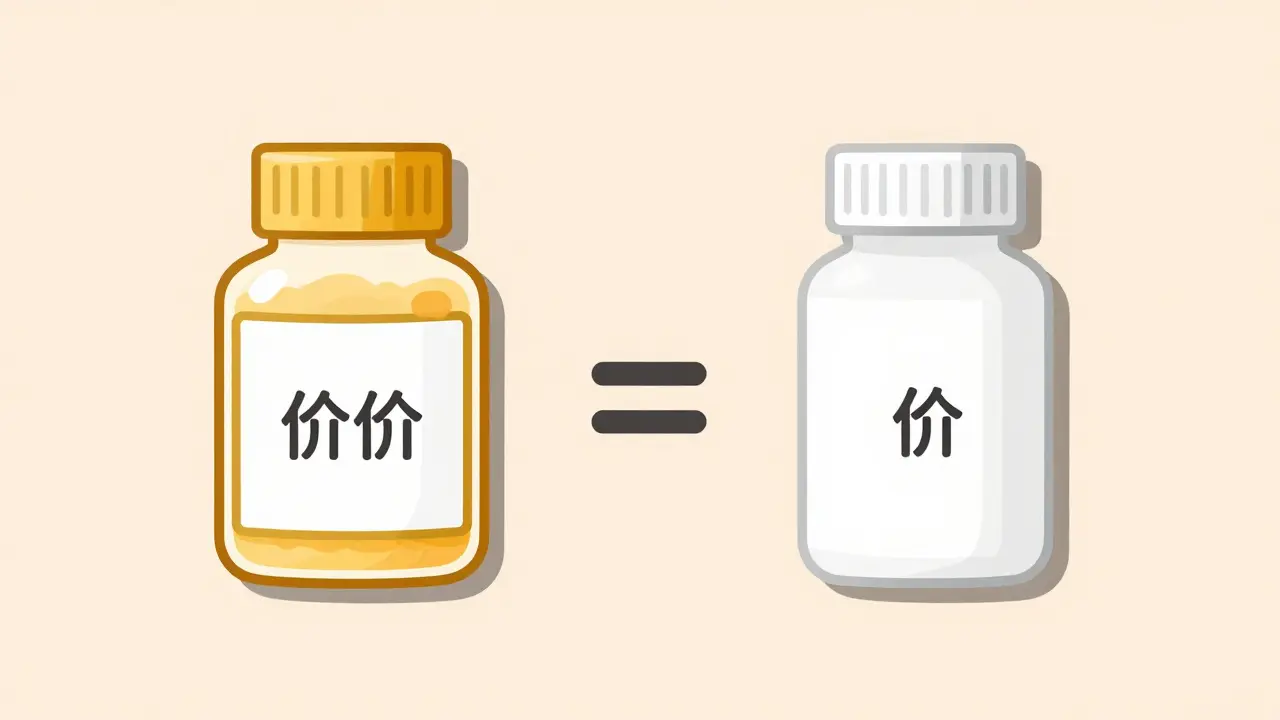
Imagine paying $378 for a month's supply of cholesterol medication, only to find out the exact same active ingredient is available for under a dollar. It sounds like a glitch, but that is the reality of the gap between brand-name drugs and generics. For anyone managing a long-term health issue, the move to a generic version of a daily pill can feel like a gamble with your health. Will it work as well? Why is it so much cheaper? Is the lower price a sign of lower quality?
The truth is that generic maintenance medications is a category of prescription drugs that contain the same active ingredients as brand-name drugs and are used to treat long-term chronic conditions. For most of us, switching is a smart financial move that doesn't compromise our health. However, the transition isn't always seamless for everyone. Understanding how these drugs work and how to manage the switch can take the anxiety out of the process.
The Core Truth About Generics and Bioequivalence
Many people worry that generics are "lite" versions of the original drug. In reality, the U.S. Food and Drug Administration (FDA) holds generics to incredibly strict standards. To get approval, a generic must prove bioequivalence. This means the drug must deliver the same amount of the active ingredient into your bloodstream in the same amount of time as the brand-name version.
Specifically, the FDA requires that the average concentration of the drug in the blood falls within a narrow window (80-125%) of the brand-name drug's performance. If the active ingredient, strength, and dosage form are identical, the drug is considered therapeutically equivalent. So, why do they look or taste different? The difference lies in the inactive ingredients-the fillers, binders, and dyes. While these don't change how the medicine treats your condition, they can occasionally affect how some people tolerate the medication.
Common Chronic Conditions Using Maintenance Meds
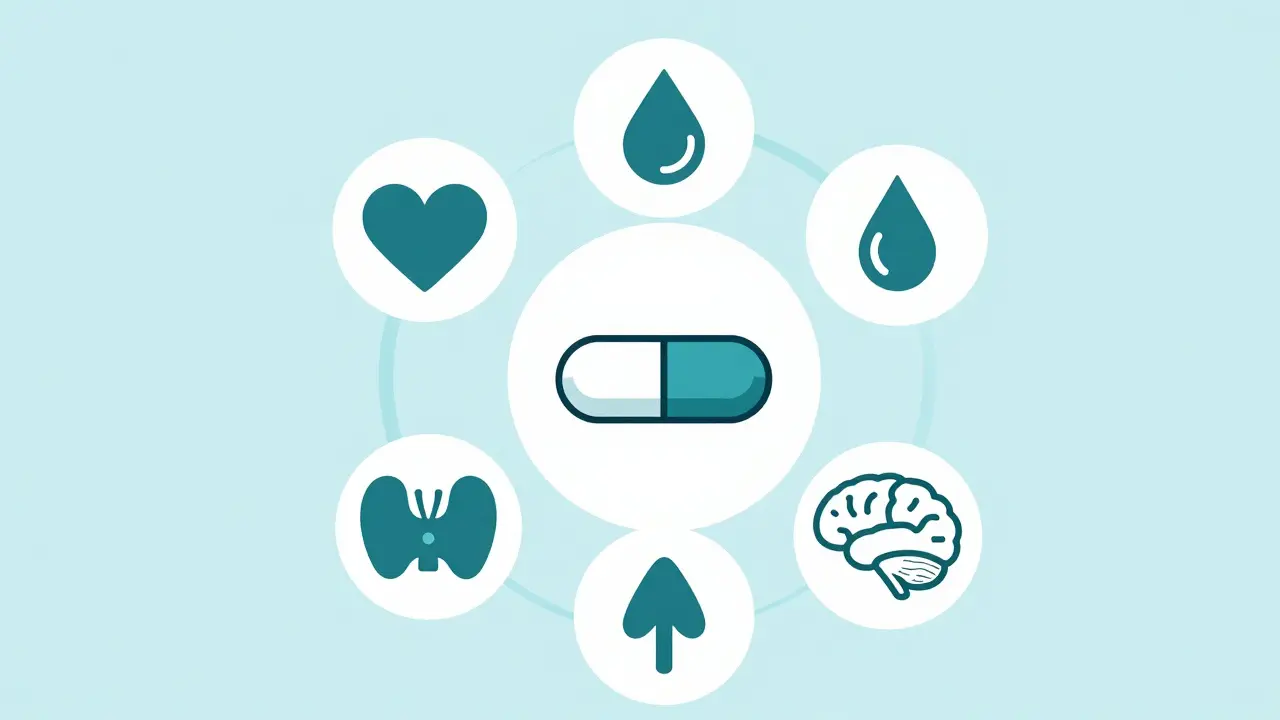
Maintenance medications aren't just for the elderly; they are the backbone of treatment for a massive range of health issues. Whether you are managing a hormonal imbalance or a cardiovascular risk, you've likely encountered these therapeutic classes:
- Metabolic Health: Including antidiabetics for Diabetes and antihyperlipidemics like Atorvastatin (the generic for Lipitor) to lower cholesterol.
- Cardiovascular Support: Antihypertensives and beta blockers used to keep high blood pressure in check.
- Endocrine Balance: Thyroid medications like Levothyroxine.
- Mental Health: Antidepressants and anticonvulsants for mood and neurological stability.
- Respiratory Care: Inhalers and long-term controllers for asthma and allergies.
| Medication Use | Brand Name (Approx. Cost) | Generic/Biosimilar (Approx. Cost) | Primary Difference |
|---|---|---|---|
| High Cholesterol | Lipitor (~$378.50) | Atorvastatin (~$0.99) | Inactive fillers |
| Diabetes | Lantus (~$345.72) | Authorized Generic (~$98.50) | Manufacturer/Price |
| Thyroid Support | Synthroid (High Cost) | Levothyroxine (Low Cost) | Absorption rates |
When Generics Might Be Tricky: Narrow Therapeutic Index (NTI) Drugs
While 90% of prescriptions in the U.S. are generics, there is a small group of medications where the margin for error is razor-thin. These are called Narrow Therapeutic Index (NTI) drugs. With NTI drugs, a tiny change in how much medicine your body absorbs can be the difference between a dose that works and one that causes a problem.
Common examples include warfarin (a blood thinner), phenytoin (for seizures), and levothyroxine (for thyroid). For instance, research from the Endocrine Society indicates that switching between different generic manufacturers of levothyroxine can lead to a 5-8% increase in TSH level fluctuations. This is why some doctors insist their patients stick to one specific brand or one specific generic manufacturer-consistency is more important than cost for these specific patients.
The Real-World Impact: Better Adherence, Fewer Hospitals
The most dangerous part of a chronic condition isn't the disease itself, but the failure to treat it consistently. This is where generics save lives. When medications are affordable, people actually take them. Studies in the American Journal of Managed Care found that patients on generic maintenance medications have 12-15% higher adherence rates.
This isn't just a statistic; it translates to 23% fewer hospitalizations. When a patient can afford their blood pressure medication, they are far less likely to end up in the ER with a hypertensive crisis. The financial relief allows patients to manage their health proactively rather than reacting to an emergency.
How to Switch Without the Stress
If your insurance is forcing a switch or you want to save money, don't just swap pills overnight without a plan. A structured transition helps you distinguish between a medication issue and the natural progression of your condition.
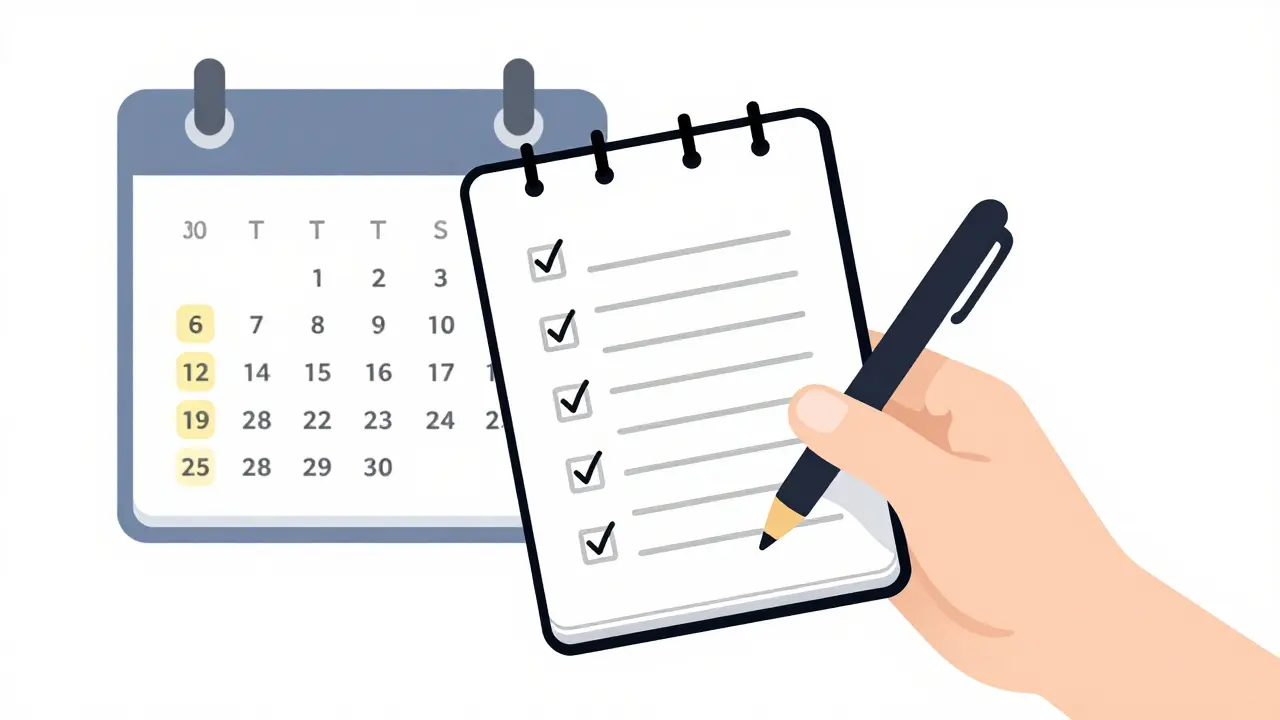
- The 30-Day Window: The American Pharmacists Association suggests a one-month transition period. Use this time to keep a daily log of your symptoms.
- Consistency is Key: Ask your pharmacist if they can provide the same generic manufacturer for every refill. This prevents the "manufacturer jump" that can trigger issues in NTI drugs.
- Check the Inactives: If you have known allergies to specific dyes or fillers, ask the pharmacist to compare the inactive ingredients of the brand and the generic.
- Monitor and Measure: For conditions like diabetes or thyroid issues, schedule a blood test 4-6 weeks after the switch to ensure your levels remain stable.
If you use complex delivery systems, like inhalers for asthma, the change in device feel can sometimes be mistaken for a change in drug efficacy. In these cases, working with a respiratory therapist can ensure your technique is still correct with the new hardware.
Common Concerns and Misconceptions
It is common to feel a "placebo effect" in reverse-sometimes called the nocebo effect-where you feel worse simply because you believe the cheaper drug is inferior. This is particularly prevalent in psychiatric care. Survey data from the National Alliance on Mental Illness showed that over a third of patients worry about switching antidepressants despite clinical evidence that the generics work identically.
Another common myth is that generics take longer to work. Because they are bioequivalent, they are designed to hit your bloodstream at the same speed as the brand name. If you feel a difference, it is more likely due to the inactive ingredients or a psychological reaction to the change, rather than the active medicine being "slower."
Are generic medications actually the same as brand-name drugs?
Yes, in terms of the active ingredient. The FDA requires generics to have the same active ingredient, strength, dosage form, and route of administration. They must also be bioequivalent, meaning they deliver the same amount of medicine into the blood in the same amount of time. The only differences are the inactive ingredients, such as colors or binders.
Why do some people feel worse after switching to a generic?
This usually happens for two reasons. First, some people are sensitive to the inactive ingredients (fillers/dyes) used by a specific generic manufacturer. Second, for "narrow therapeutic index" drugs like levothyroxine, even tiny variations in absorption between manufacturers can affect the patient. Finally, the psychological impact of switching to a "cheaper" drug can sometimes cause perceived symptoms.
Can I ask my insurance to pay for the brand-name version?
You can, but it often requires a "prior authorization." You generally need to provide medical proof that you have tried at least two generic alternatives and they failed to control your condition. Approval rates for this are relatively low (around 14%), so it is best to document your symptoms carefully with your doctor.
Should I switch my medication if I'm already stable on a brand name?
For most medications, the switch is safe and financially beneficial. However, if you are taking a Narrow Therapeutic Index drug and are perfectly stabilized, some specialists recommend staying with the brand you know to avoid disrupting your hormonal or chemical balance. Always consult your doctor before changing your regimen.
How do I know if a generic is working for me?
The best way is through objective monitoring. For blood pressure, use a home monitor. For diabetes, track your glucose levels. For thyroid issues, get a TSH blood test. If your numbers remain in the target range and you aren't experiencing new side effects, the generic is working as intended.
Next Steps for Your Transition
If you are moving to a generic today, start by chatting with your pharmacist. They are the best resource for knowing which manufacturers are currently in stock and whether they can guarantee a consistent supply of the same version. If you notice a spike in symptoms, don't panic-track them for a week and bring that data to your physician. In most cases, the adjustment period lasts only a few weeks, leaving you with the same health outcomes and a lot more money in your pocket.

Ajinkya Joshi
April 21, 2026 AT 12:16Imagine actually believing that a "narrow window" of 80-125% is a sign of precision. Just brilliant. Basically, the FDA is saying it's fine if your meds are 20% weaker than the brand name as long as the pharma companies keep making billions on the difference. Pure logic there.
RAJESH MARAVI
April 21, 2026 AT 12:29this whole thing is a scam!! generics are totaly difrent and the la lables lie about bioequivilence just to save money on the poor peple who need these meds. dont trust the fda!!!
Mayur Pankhi Saikia
April 23, 2026 AT 05:12The sheer naivety of suggesting that a simple blood test every six weeks is sufficient for a complex endocrine system... truly laughable... and the typos in this general discourse are simply grating...!!
Amy Fredericks
April 23, 2026 AT 23:24It's honestly so great to see the cost differences laid out like this. It really helps people feel more empowered to take control of their health without breaking the bank. Just remember to be patient with your body while it adjusts!
Chidi Prosper
April 24, 2026 AT 19:44Spot on. The point about adherence is the most critical part here. If the medicine is too expensive, it doesn't matter how effective it is because it'll just sit in the cabinet. Affordability is healthcare.
Caroline Duvoe
April 25, 2026 AT 06:26whatever lol basically the same stuff 🙄
Mike Arrant
April 26, 2026 AT 08:28Listen, if you're still paying for brand names, you're just paying for the fancy logo on the box. Wake up. Your doctor is probably getting a kickback or just too lazy to write the generic script. Stop being a sheep.
Dan Wizard
April 27, 2026 AT 01:13I have often wondered if the psychological aspect mentioned-the nocebo effect-might actually be more prevalent in cultures where there is a deep-seated distrust of government-regulated healthcare systems, and perhaps that is why some people experience a physical decline in health even when the active ingredients are chemically identical to the brand name they were previously using for years, which makes me think that the mental transition is just as important as the medical one when it comes to these chronic conditions.
Odicha ude Somtochukwu
April 28, 2026 AT 06:26It is indeed a most commendable effort to bring this information to the public...!!! We must all support one another in the pursuit of wellness and financial stability...!!!
Dave Edwards
April 28, 2026 AT 22:16Absolute madness! Why are we trusting these corporations at all? 🙄 It's an absolute joke that we have to gamble with our thyroids just to save a few bucks. The system is broken and we're all just lab rats in a giant pharma experiment! 😡
Saptatshi Biswas
April 29, 2026 AT 15:05The audacity to suggest that a US-centric FDA standard is the global gold standard is simply insulting. My country produces world-class pharmaceuticals that put these narrow therapeutic index concerns to shame through superior engineering and rigorous local oversight! The arrogance of this guide is staggering!
Anastasios Kyriacou
April 30, 2026 AT 23:25idk why ppl care so much its just a pill mate
Ally Warren
May 2, 2026 AT 12:36The tension between the material cost of a pill and the perceived value of the brand is a fascinating study in human psychology. We aren't just buying a chemical; we're buying the peace of mind that comes with a known entity, even if that entity is functionally identical to a cheaper version. It's a dance between logic and the primal need for certainty in an uncertain world. In the end, the cost of the medication is nothing compared to the cost of the anxiety we feel when we lose faith in our treatment. We must look beyond the price tag to see the value of stability. This transition is not just a financial move, but a mental shift in how we perceive health. The physical change is minimal, but the cognitive dissonance is where the real struggle lies. By acknowledging this, we can move toward a more sustainable way of living. Truth is rarely found in the brand, but in the result. Our bodies don't read labels, they react to molecules. Let us focus on the molecule and ignore the marketing. That is where true health resides. Peace of mind is the ultimate generic.