Valerian & Medication Safety Checker
Check Your Medication Safety
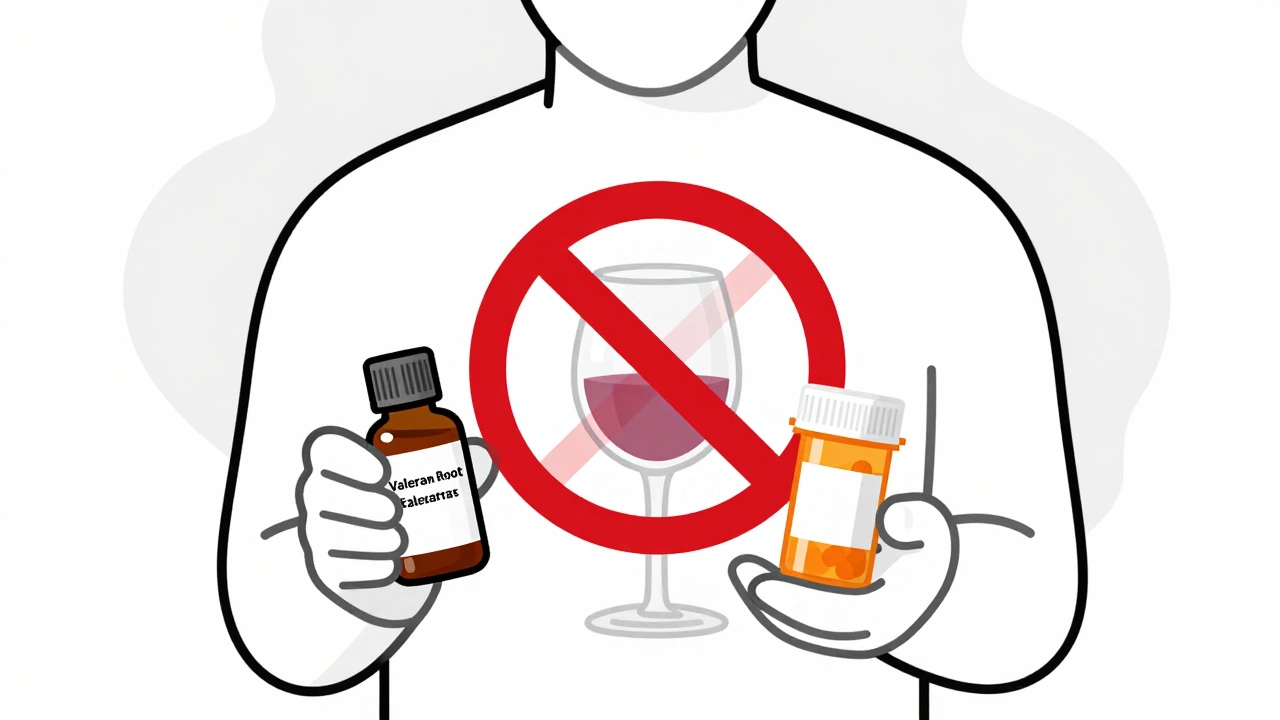
This tool estimates the risk of combining valerian root with your current medications. Based on medical evidence, there's a real risk of CNS depression when mixing valerian with sedatives.
Many people turn to valerian root to help them sleep better. It’s natural, widely available, and feels safer than prescription pills. But if you’re already taking something to calm your nerves, reduce anxiety, or help you sleep - like alcohol, Xanax, benzodiazepines, or even sleeping pills - combining it with valerian can be dangerous. The real risk isn’t just feeling drowsy. It’s CNS depression - a dangerous slowdown of your brain and nervous system that can slow your breathing, lower your blood pressure, and in extreme cases, stop you from waking up.
What is valerian, really?
Valerian (Valeriana officinalis) is a flowering plant whose roots have been used for over 2,000 years as a natural sleep aid. Ancient Greeks and Romans used it for calming nerves. Today, it’s one of the most popular herbal supplements for insomnia in the U.S. But unlike prescription drugs, valerian isn’t tightly regulated. What’s in your bottle? It could be anything. One brand might have high levels of valerenic acid - the compound that affects GABA in your brain - while another might barely contain any. And because there’s no standardization, you can’t predict how strong it will be.
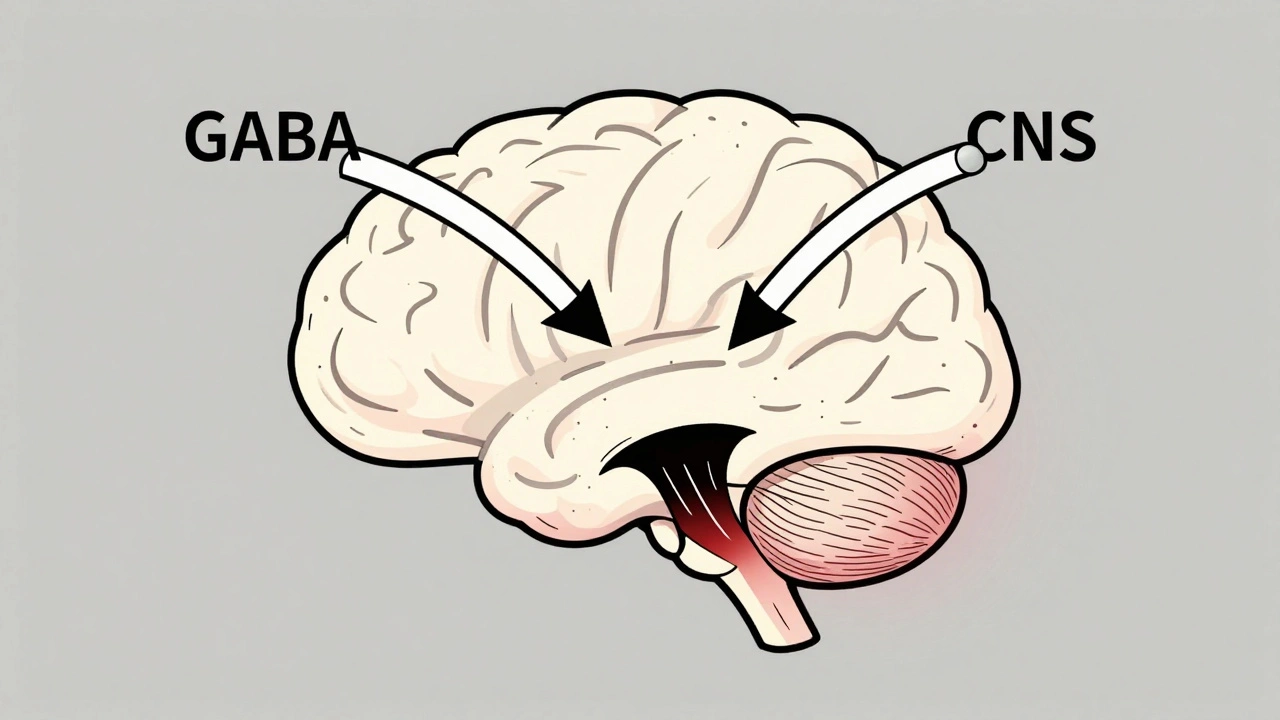
The science shows valerian works by increasing GABA, a neurotransmitter that slows brain activity. That’s why it makes you feel relaxed. But so do alcohol, benzodiazepines like alprazolam (Xanax), barbiturates, and opioids. When you mix valerian with these, the effect isn’t just added - it’s multiplied. Think of it like turning up the volume on a speaker that’s already at max. You don’t get louder sound - you get distortion, crackling, and silence.
Why combining valerian with sedatives is risky
The danger isn’t theoretical. It’s documented. WebMD, Mayo Clinic, and the NIH all warn: combining valerian with sedating medications can lead to excessive sleepiness, slowed breathing, dizziness, confusion, and even loss of consciousness. The risk is highest with:
- Alcohol - Even one drink with valerian can make you dangerously drowsy. Many people don’t realize they’re mixing the two.
- Benzodiazepines - Drugs like Xanax, Klonopin, or Ativan already boost GABA. Valerian does the same. Together, they can overwhelm your system.
- Prescription sleep aids - Zolpidem (Ambien), eszopiclone (Lunesta), and zaleplon (Sonata) work on similar brain pathways. Add valerian, and you’re stacking the deck.
- Opioids - Painkillers like oxycodone or hydrocodone already suppress breathing. Valerian adds to that risk.
There’s no safe threshold. One person might feel fine taking valerian with a low dose of Xanax. Another might end up in the ER. Why? Because valerian isn’t a single chemical. It’s a mix of dozens of compounds - some stable, some broken down by heat or time. Your supplement might have more or less of the active ingredients than the label says. And if you’re also taking other herbs like kava, passionflower, or melatonin? The risk climbs even higher.
The conflicting science
Not all research agrees. A 2005 study in mice using a different species of valerian (Valeriana edulis) found no increased sedation when combined with common CNS depressants. That study is often cited by supplement companies to downplay risks. But here’s the catch: it wasn’t on Valeriana officinalis - the kind most people use. And it was on mice. Human biology is more complex. We don’t have large-scale human trials proving valerian is safe with sedatives - only case reports of people falling into deep sleep, crashing their cars, or needing emergency breathing support after mixing them.
Meanwhile, the NIH and Mayo Clinic point to the mechanism: valerenic acid blocks the enzyme that breaks down GABA. That means GABA hangs around longer. If you’re already taking a drug that does the same thing, you’re essentially flooding your brain with too much of a calming chemical. That’s not luck. That’s pharmacology.
What doctors really think
Some sources, like the American Academy of Family Physicians, say “no significant interactions have been reported.” But they also admit valerian “may potentiate” sedative effects. That’s medical code for: we haven’t seen many cases, but we know it could kill someone.
Real-world experience tells a different story. Dentists in the U.S. and U.K. report patients showing up for procedures already drowsy from valerian - sometimes unaware they took it. One patient took valerian before a root canal, then fell asleep in the chair and couldn’t be woken without oxygen support. He didn’t tell his dentist because he thought “it was just a herb.”
That’s the problem. People treat supplements like harmless candy. But valerian isn’t candy. It’s a pharmacologically active substance. And when combined with other CNS depressants, it’s like playing Russian roulette with your breathing.
Who’s at highest risk?
You’re at greater risk if you:
- Take any prescription sedative, sleeping pill, or anxiety medication
- Drink alcohol regularly, even just one glass of wine at night
- Are over 65 - your body clears drugs slower
- Have liver or lung disease - your body can’t handle extra stress
- Are preparing for surgery or dental work - you might be given anesthesia on top of valerian
Even if you’ve taken valerian for months without issue, adding a new medication - or even increasing your alcohol intake - can push you over the edge. It doesn’t take much.
What should you do?
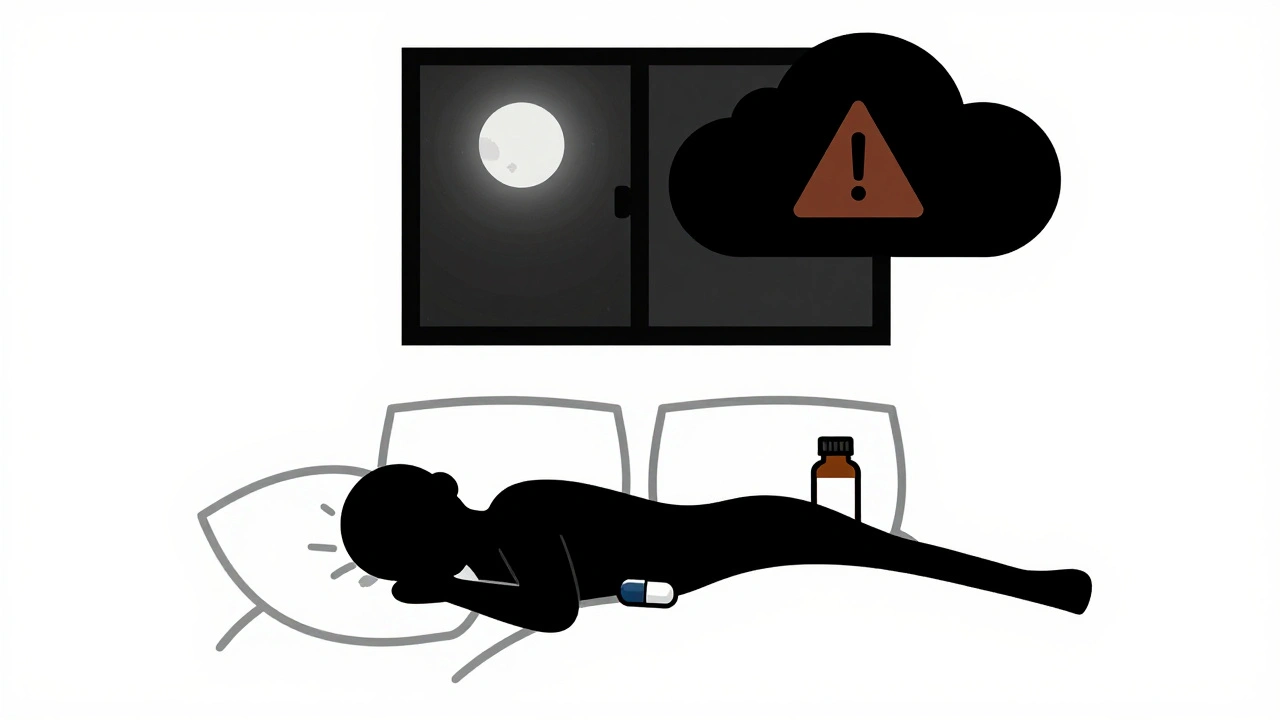
If you’re taking any sedating medication - even occasionally - don’t take valerian. Period.
If you’re using valerian for sleep and you’re also on medication, talk to your doctor. Don’t assume it’s safe because it’s “natural.” Ask: “Could this interfere with my other drugs?” Bring the bottle with you. Most doctors don’t know the details of herbal supplements. You have to lead the conversation.
If you’re thinking of using valerian to replace a prescription - don’t. Stopping a benzodiazepine or sleep aid cold turkey can be dangerous. Work with your doctor on a safe taper plan. There are better, evidence-based ways to improve sleep: cognitive behavioral therapy for insomnia (CBT-I), sleep hygiene, reducing screen time before bed, and managing stress. These work without risking your breathing.
What if you’ve already mixed them?
If you’ve taken valerian with alcohol, Xanax, or another sedative and you feel unusually sleepy, dizzy, confused, or have trouble breathing - call emergency services immediately. Don’t wait. Don’t try to “sleep it off.” CNS depression can worsen quickly. It doesn’t always show up right away.
If you’re unsure whether you’ve mixed them, err on the side of caution. Skip the valerian. Talk to your pharmacist. They have access to drug interaction databases like Lexicomp that flag these risks.
Bottom line
Valerian isn’t the villain. But pretending it’s harmless when you’re already on sedatives is dangerous. The science isn’t perfect, but the warnings are consistent across every major medical authority. The risk of serious harm - slowed breathing, coma, death - is real. The benefit? A slightly better night’s sleep. Is that worth it?
For most people taking sedating medications, the answer is no. There are safer ways to sleep. Don’t gamble with your nervous system.
Can I take valerian with melatonin?
It’s not recommended. Melatonin is a hormone that regulates sleep, and while it’s not a CNS depressant like alcohol or Xanax, it still makes you drowsy. Combining it with valerian increases sedation without adding real benefit. You’re more likely to feel groggy the next day or have trouble waking up. Stick to one sleep aid at a time - and only if you’ve talked to your doctor.
Is valerian safe if I don’t take any meds?
For healthy adults who don’t take sedatives, alcohol, or other CNS-affecting substances, valerian is generally considered safe in recommended doses (usually 300-600 mg of root extract before bed). But even then, side effects like dizziness, headaches, or upset stomach can happen. And because supplements aren’t regulated, you can’t be sure what’s in the bottle. Always buy from reputable brands and avoid products with added sedatives like kava or passionflower.
How long does valerian stay in my system?
Valerian’s effects usually last 4-6 hours, but its compounds can linger in your body for up to 12 hours. If you take it at night, you might still feel its effects the next morning - especially if you’re sensitive or taking other meds. If you’re scheduled for surgery or a dental procedure, stop valerian at least 24 hours before, and tell your provider you took it.
Are there any herbs that are safer than valerian for sleep?
If you’re avoiding sedatives, magnesium glycinate, glycine, or L-theanine are gentler options with lower interaction risks. But none are magic bullets. The most effective long-term solution for sleep problems is cognitive behavioral therapy for insomnia (CBT-I), which changes how you think about sleep - not just what you take before bed.
Why do some websites say valerian is safe with meds?
Some supplement sites downplay risks to sell more products. Others cite the 2005 mouse study, but that research used a different plant species and hasn’t been replicated in humans. Trusted medical sources - like the NIH, Mayo Clinic, and WebMD - base their warnings on decades of clinical experience and known drug mechanisms. If a site doesn’t mention CNS depression or drug interactions, treat it with skepticism.


Courtney Blake
December 12, 2025 AT 02:51Wow, someone finally said it out loud. I’ve seen so many people on Reddit saying ‘valerian is just a chill herb’ like it’s chamomile tea. Bro, it’s a GABA bomb. Mix it with Xanax? You’re not ‘relaxing’ - you’re playing Russian roulette with your brainstem. I work ER. We had a 42-year-old woman come in last month unconscious after mixing valerian with her nightly wine and Klonopin. She didn’t even know it was dangerous. Natural doesn’t mean safe. It means unregulated. And that’s terrifying.
Nikki Smellie
December 12, 2025 AT 23:51Have you ever wondered if Big Pharma is suppressing the truth about valerian? I mean, why else would the FDA allow this? They profit off benzodiazepines - billions. But valerian? It’s a $3 bottle. It’s not about safety - it’s about control. The NIH? Mayo Clinic? All funded by pharmaceutical grants. They’re scared of natural alternatives. And that’s why they scare you with ‘CNS depression’ - to keep you hooked on pills that make them rich. I’ve been taking valerian with my melatonin for 7 years. I’m fine. They just want you to stay dependent.
Neelam Kumari
December 14, 2025 AT 23:35Oh wow. A whole essay on how a plant might kill you. And yet, 90% of Americans take Tylenol daily and no one screams about liver failure. You’re acting like valerian is cyanide. It’s not. It’s a root. You people treat herbs like they’re nuclear reactors. I take it with my wine. I’m 68. I’ve slept better in 20 years than I did on Ambien. If you’re that fragile, maybe don’t take meds at all. Or just admit you’re addicted to chemicals.
Queenie Chan
December 16, 2025 AT 12:52Let’s get real - valerian’s not a villain, it’s a misunderstood weirdo. Imagine your brain as a crowded party. Alcohol? The guy yelling into the mic. Xanax? The bouncer who shuts down the whole room. Valerian? The quiet person who whispers ‘hey, maybe we should chill’… but then keeps whispering louder and louder until the lights go out. It’s not malicious - it’s just… really, really persistent. And when you stack it with other whisperers? The party doesn’t end. It just… stops breathing. 🤔
Stephanie Maillet
December 18, 2025 AT 09:04It’s fascinating, isn’t it? How we’ve built entire systems around fear - of sleeplessness, of anxiety, of the unknown - and then, in our desperation, we reach for anything that promises peace… only to layer them like Russian nesting dolls of sedation… and then, when the system fails… we blame the herb… when really, we’re just afraid of silence… and the quiet… that comes before the fall…
David Palmer
December 19, 2025 AT 10:10lol i just take valerian with my beer and it’s fine. i’ve never passed out. you guys are acting like it’s fentanyl. if your body can’t handle a little herb and a glass of wine, maybe you’re the problem. also, who even uses xanax anymore? that’s so 2012.
Vivian Amadi
December 19, 2025 AT 15:01STOP. Just stop. I’m a nurse. I’ve seen 3 patients in the last year die from this exact combo. You think you’re ‘just being natural’? You’re not. You’re a walking overdose waiting to happen. And if you’re one of those people who says ‘I’ve been doing it for years’ - congrats, you’re just lucky. Luck isn’t a safety protocol. This isn’t a debate. It’s a death sentence. And you’re playing with fire.
Lisa Stringfellow
December 19, 2025 AT 21:24Okay but… what’s the point of even writing this? Nobody’s going to stop. People don’t care about risks unless they’ve lost someone. And even then, they’ll say ‘it was an accident’ and keep taking it. We’re not here to educate. We’re here to feel superior. So… good job. You wrote a textbook. Now go hug your cat and feel morally clean.
Eddie Bennett
December 20, 2025 AT 14:48I get both sides. I used to take valerian with my trazodone for years. Never had an issue. But then my doctor told me about that one case where a guy stopped breathing after combining it with a low-dose benzo and a glass of wine. I stopped. Not because I was scared - but because I realized I didn’t need it. I started CBT-I instead. It took months. But now I sleep better than ever. No herbs. No pills. Just my brain learning to chill. Maybe that’s the real solution. Not fear. Just… patience.
Kaitlynn nail
December 21, 2025 AT 02:08Valerian? Cute. I just take L-theanine and call it a day. So much more elegant. Honestly, if you’re still relying on ancient roots and pharmaceuticals to sleep, you’re not living - you’re surviving. Wake up. Sleep is a practice. Not a pill. 🌿
Aileen Ferris
December 22, 2025 AT 15:01yea but like… what if i just take a lil valerian and a lil wine and its fine? like… im not gonna die. u guys are so dramatic. also i think the whole ‘cns depression’ thing is just a scare tactic. my grandad took valerian with his whiskey for 40 years. he lived to 92. so… maybe dont be so scared?