Kava Liver Risk Assessment Tool
Check applicable factors:
Extraction Method
How was the kava prepared?
Dosage & Usage
Medications & Health Status
Risk Level
No Risk Factors Selected
Select options above to calculate your estimated risk level regarding liver health and kava usage.
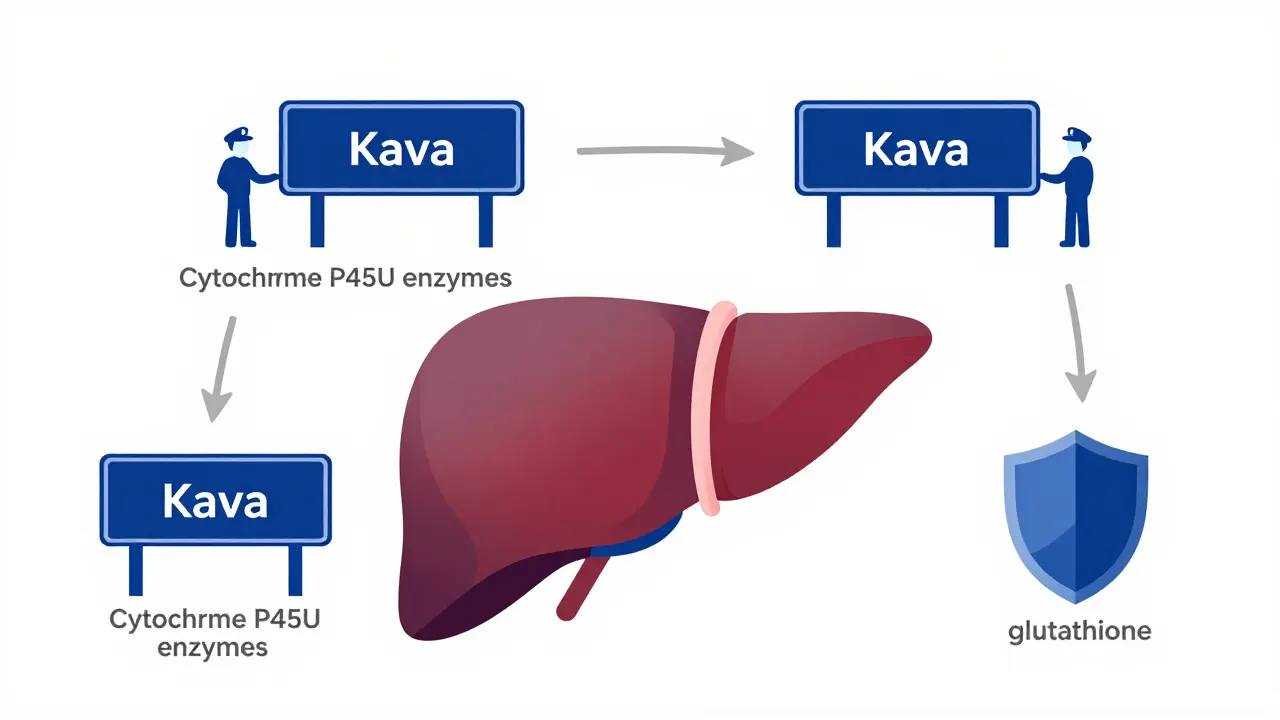
Key Mechanism: Kava inhibits Cytochrome P450 enzymes, slowing drug metabolism and depleting protective glutathione.
Imagine you are looking for a natural way to calm your nerves. You hear about Kava, a traditional root beverage from the South Pacific known for its relaxing effects. It sounds perfect: no prescription needed, no addiction risk like benzodiazepines. But there is a hidden danger lurking in that cup. Kava can turn deadly when mixed with certain medications or if prepared incorrectly. The stakes are incredibly high-we are talking about liver failure and transplants.
This isn't just theoretical fear-mongering. In the early 2000s, over 100 cases of severe liver toxicity linked to kava were identified globally. Some people died; others needed emergency liver transplants. Today, kava remains available as a dietary supplement in the United States, but it is banned or strictly restricted in countries like Germany, France, and Australia. Why the difference? Because the science on hepatotoxicity, liver damage caused by external agents is clear: kava interacts dangerously with how your body processes drugs.
The Core Problem: How Kava Attacks the Liver
To understand why kava is risky, you need to look at what happens inside your body. Kava contains active compounds called kavalactones, bioactive chemicals responsible for kava's sedative and anxiolytic effects. These are the good guys-they relax your muscles and calm your mind. But they also come with a toxic sidekick.
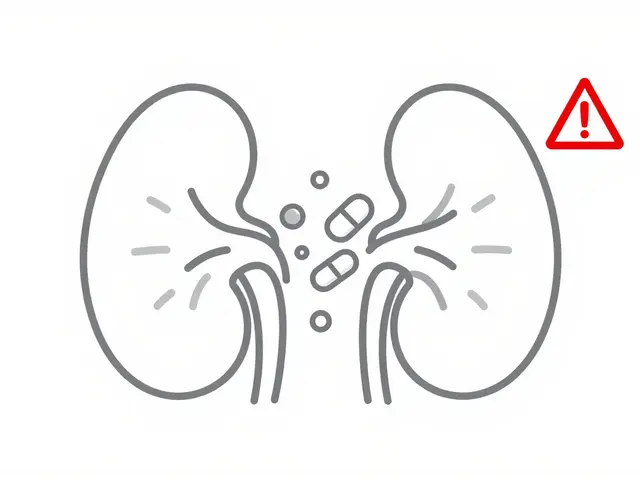
Your liver has a cleanup crew called Cytochrome P450 enzymes, a family of enzymes that metabolize drugs and toxins in the liver. Think of these enzymes as the traffic cops of your bloodstream. They break down medications so your body can use them safely and then excrete the waste. Kava inhibits these enzymes. When you take kava, you are essentially putting up roadblocks for your liver’s traffic cops.
Here is where it gets dangerous. If you are taking medication that relies on Cytochrome P450 to be broken down, kava stops that process. The medication builds up in your blood to toxic levels. At the same time, kava depletes glutathione, a powerful antioxidant that protects liver cells from damage. Glutathione is your liver’s shield. Kava strips away that shield while simultaneously flooding the system with unprocessed drugs. This double hit-enzyme inhibition plus antioxidant depletion-is what leads to cell death and liver injury.
| Mechanism | Effect on Body | Risk Level |
|---|---|---|
| Cytochrome P450 Inhibition | Slows drug metabolism, causing toxic buildup | High (with interacting meds) |
| Glutathione Depletion | Removes cellular protection against oxidative stress | Moderate to High |
| Direct Hepatotoxicity | Direct chemical damage to liver cells | Variable (depends on extract type) |
The Extraction Method Matters More Than You Think
Not all kava is created equal. In fact, how the kava is extracted determines whether it is relatively safe or potentially lethal. Traditional cultures in Fiji, Vanuatu, and Hawaii have used water-based preparations for thousands of years without widespread reports of liver failure. Water extraction pulls out the kavalactones but leaves behind many other plant compounds.
In Western markets, however, most commercial kava supplements use organic solvents like ethanol (alcohol) or acetone. These "organic extracts" pull out not just kavalactones, but also other compounds like flavokawains. Research suggests these non-kavalactone components are largely responsible for the liver damage. A review by the World Health Organization (WHO) found that patients who exclusively used ethanolic and acetonic extracts accounted for the vast majority of hepatotoxicity cases in Europe.
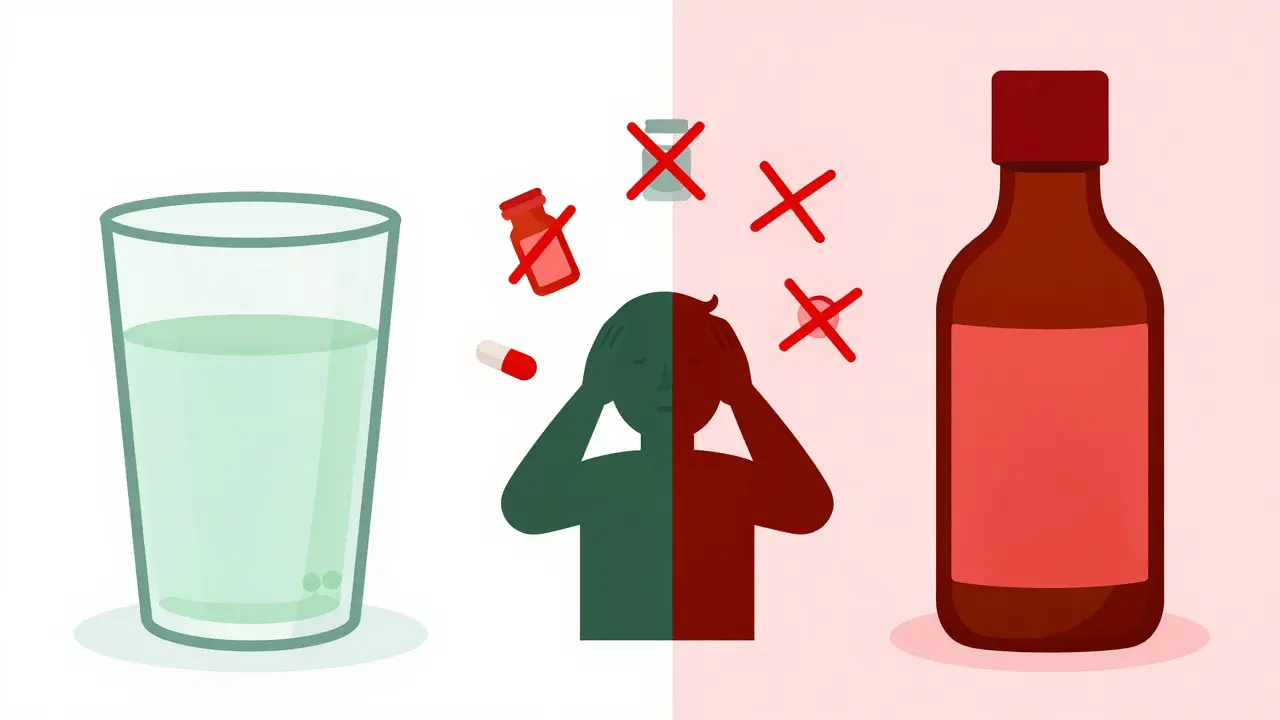
If you are considering kava, this distinction is critical. Powdered root mixed with water is closer to the traditional, safer profile. Liquid extracts, tinctures, and capsules made with alcohol carry a significantly higher risk. The FDA’s 2020 Scientific Memorandum explicitly states that organic extracts are associated with higher hepatotoxicity risk compared to water-based preparations.
Medications That Clash Dangerously with Kava
You might think, "I only take one pill a day, so I should be fine." That is a dangerous assumption. Because kava slows down the Cytochrome P450 system, it interacts with a wide range of common medications. Here are the biggest red flags:
- Benzodiazepines and Sedatives: Drugs like Xanax, Valium, or Ambien already depress your central nervous system. Adding kava amplifies this effect, leading to extreme drowsiness, respiratory depression, and increased liver strain.
- Acetaminophen (Tylenol): Acetaminophen is processed by the liver. When kava depletes glutathione, your liver loses its ability to neutralize the toxic byproducts of acetaminophen. Even normal doses of Tylenol can become toxic when combined with kava.
- Antidepressants (SSRIs/SNRIs): Many antidepressants are metabolized by CYP2D6 and CYP3A4 enzymes, which kava inhibits. This can lead to serotonin syndrome or elevated drug levels that cause side effects.
- Blood Thinners: Medications like warfarin rely on precise dosing. Kava can alter how quickly your body clears these drugs, increasing the risk of bleeding or clotting.
- Statins: Cholesterol-lowering drugs like atorvastatin are heavily dependent on liver enzymes. Combining them with kava increases the risk of muscle damage and liver injury.
A documented case from the NCBI LiverTox database illustrates this perfectly. A patient taking kava alongside birth control pills, migraine medication (rizatriptan), and acetaminophen developed severe hepatocellular injury. Their ALT levels (a marker of liver health) skyrocketed to 2,442 U/L (normal is under 17). They required a liver transplant within 17 weeks. This wasn't just bad luck; it was a predictable chemical collision.
Who Is Most at Risk?
Some people are more vulnerable than others. The FDA identifies five key risk factors that make kava use particularly dangerous:
- Use of Organic Extracts: As mentioned, alcohol-based extracts are far more toxic than water-based ones.
- Excessive Dose: Taking more than recommended overwhelms the liver’s limited capacity to cope.
- Heavy Alcohol Intake: Drinking alcohol while taking kava creates a synergistic toxic effect. Both substances attack the liver through different pathways, accelerating damage.
- Pre-existing Liver Disease: If your liver is already compromised by hepatitis, fatty liver disease, or cirrhosis, it cannot handle the added stress of kava.
- Genetic Polymorphisms: Some people naturally have slower-working Cytochrome P450 enzymes due to their genetics. For them, even small amounts of kava can cause significant drug buildup.
If any of these apply to you, kava is not worth the risk. The American Association for the Study of Liver Diseases (AASLD) recommends that patients taking medications metabolized by CYP3A4, CYP2C9, or CYP2C19 enzymes avoid kava products entirely.
Signs Your Liver Is in Trouble
Liver damage doesn't always announce itself with pain. Often, the first signs are subtle. If you are using kava, watch for these symptoms:
- Fatigue: Unusual tiredness that doesn't go away with rest.
- Nausea and Loss of Appetite: Feeling sick to your stomach for no obvious reason.
- Jaundice: Yellowing of the skin or whites of the eyes. This is a late-stage sign indicating significant bilirubin buildup.
- Dark Urine: Urine that looks like tea or cola.
- Abdominal Pain: Discomfort in the upper right side of your abdomen, where the liver sits.
If you experience any of these, stop taking kava immediately and see a doctor. Request liver function tests (LFTs) to check your ALT, AST, and bilirubin levels. Early detection can prevent permanent damage. In many reported cases, stopping kava led to full recovery, provided the damage wasn't too advanced.
Regulatory Landscape: Why It’s Still Legal in the US
You might wonder, "If it’s so dangerous, why can I buy it at GNC or Amazon?" The answer lies in regulatory differences. In 2002, the European Union banned kava-containing products after reviewing numerous cases of liver failure. Australia restricts it to prescription-only status. Canada has also imposed strict limits.
In the United States, kava falls under the Dietary Supplement Health and Education Act (DSHEA). This means it is regulated as a food supplement, not a drug. The FDA issued consumer advisories in 2002 warning about severe liver injury, but they did not ban it. Instead, they rely on post-market surveillance. This puts the burden of safety on the consumer and healthcare providers rather than the manufacturer. The global kava market was valued at $1.12 billion in 2022, driven largely by demand in North America, despite these known risks.
Safer Alternatives for Anxiety Relief
If your goal is anxiety relief, there are safer options that do not carry the same liver risks. Cognitive Behavioral Therapy (CBT) is highly effective and has no physical side effects. Prescription medications like SSRIs are well-studied and monitored by doctors. Natural alternatives like lavender oil, chamomile tea, or L-theanine have much lower interaction profiles and do not inhibit Cytochrome P450 enzymes to the same degree. Always consult your doctor before starting any new supplement, especially if you are on other medications.
Can kava cause liver failure?
Yes. There are documented cases of kava-induced liver failure requiring transplantation. The risk is highest with organic solvent extracts, high doses, and when combined with other hepatotoxic substances like alcohol or acetaminophen.
Is water-extracted kava safe?
Water-extracted kava is considered safer than alcohol-based extracts because it contains fewer hepatotoxic non-kavalactone compounds. However, it still inhibits liver enzymes and can interact with medications, so caution is still advised.
What medications should not be taken with kava?
Avoid combining kava with benzodiazepines, acetaminophen, antidepressants, statins, and blood thinners. Kava inhibits the enzymes that break down these drugs, leading to potentially toxic levels in your bloodstream.
How long does it take for kava to damage the liver?
Liver damage can occur within weeks to months of regular use. In some reported cases, severe injury appeared after just 16 weeks. Symptoms like fatigue and nausea may precede visible jaundice.
Why is kava banned in Europe but legal in the US?
Europe regulates kava as a medicinal product with stricter safety requirements, leading to bans after hepatotoxicity reports. In the US, it is classified as a dietary supplement under DSHEA, which requires less pre-market safety testing, allowing it to remain on shelves despite FDA warnings.