Imagine buying a bottle of blood pressure medication from an online pharmacy. The packaging looks perfect. The price is right. But what if the pills inside are just chalk and dye? This isn't a hypothetical horror story; it's a daily reality for millions. Counterfeit drugs cost the global economy billions annually and pose severe health risks. For years, we relied on holograms and serial numbers that could be copied. Now, Blockchain technology is a decentralized, immutable digital ledger system used to verify the authenticity and track the supply chain of pharmaceutical products, offering a new standard for trust. It’s not just about tech hype; it’s about ensuring that when you scan a QR code on your generic medication, you’re seeing the truth.
Why Traditional Verification Fails
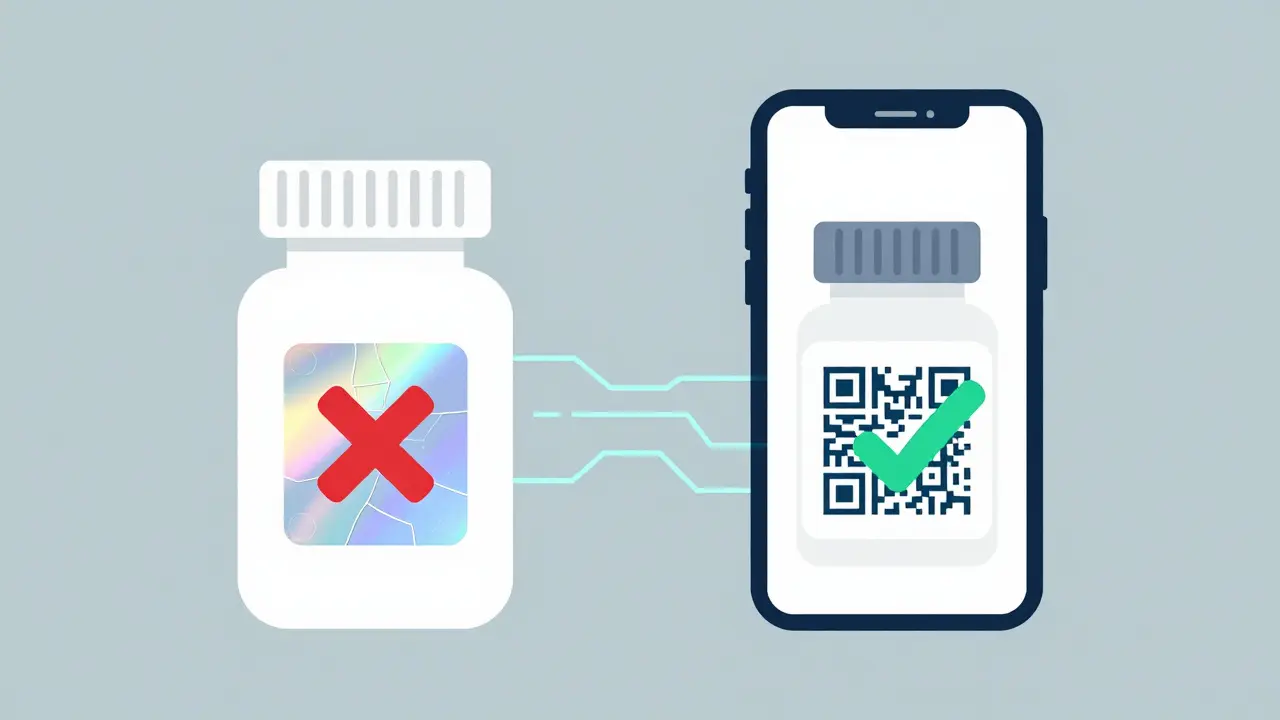
We’ve been fighting counterfeits with outdated tools. For decades, pharmaceutical companies used physical security features like color-shifting inks or holographic stickers. According to INTERPOL data, these methods have a 38% replication rate by counterfeiters. That means more than one in three fake packages can fool the naked eye. Centralized databases, which many distributors still use, suffer from single points of failure. If one server goes down or gets hacked, the entire tracking system collapses. Worse, these systems often lack interoperability. A manufacturer in Germany might use a different tracking format than a distributor in Ohio, creating gaps where fakes slip through.
The problem is especially acute for generic medications. Because generics are cheaper to produce, they offer higher profit margins for criminals. In developing nations, counterfeit rates exceed 30%. Even in developed markets, the World Health Organization estimates $200 billion worth of fake drugs enter the market annually. Traditional barcodes tell you nothing about the product’s journey. They don’t prove who handled it, where it was stored, or if it was swapped for a fake at any point. Blockchain changes this by creating a shared, unchangeable record of every step.
How Blockchain Verifies Your Medication
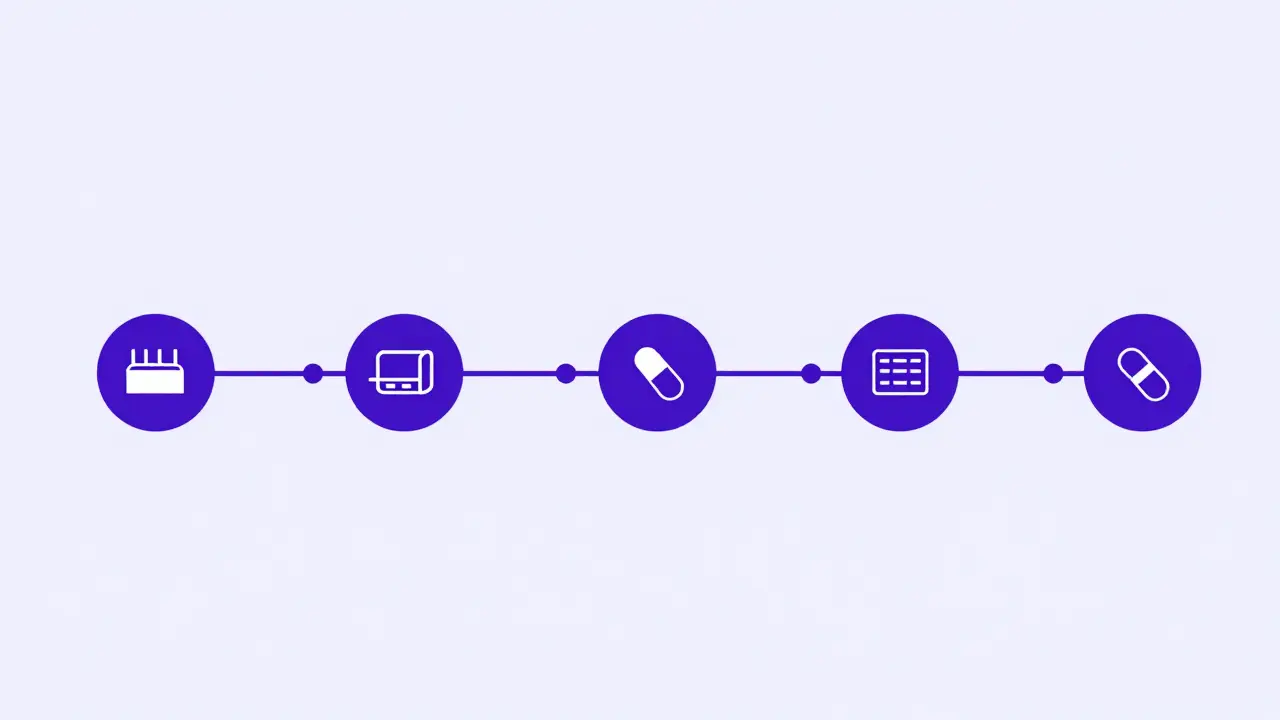
So, how does it actually work? At its core, blockchain creates a digital pedigree for each drug package. When a manufacturer produces a box of antibiotics, they assign it a unique serial number compliant with GS1 standards. This number is linked to a 2D barcode or QR code printed on the package. As the box moves through the supply chain-from factory to wholesaler to distributor to pharmacy-each party scans the code and records the transaction on the blockchain.
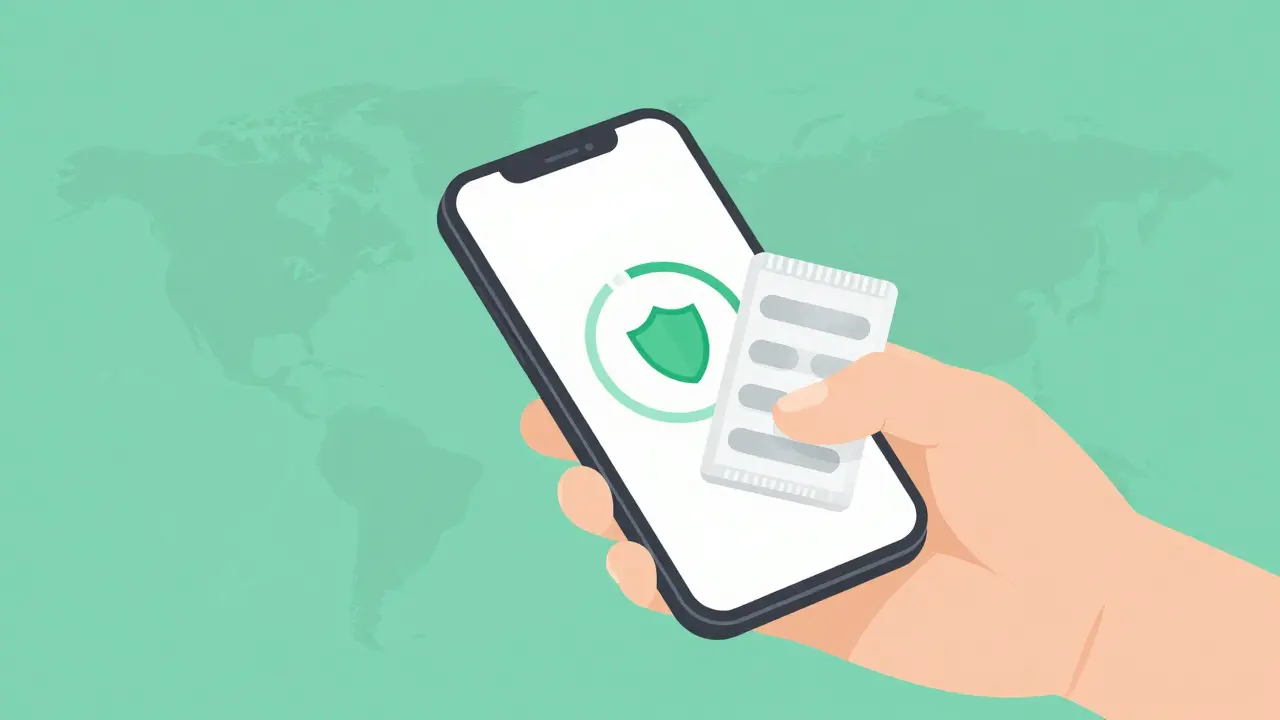
This process uses permissioned distributed ledgers, such as Hyperledger Fabric or Ethereum Enterprise. Unlike public blockchains used for cryptocurrencies, these private networks consume 97% less energy and allow only authorized participants to join. Every scan adds a cryptographic hash to the chain, making it virtually impossible to alter past records without detection. When you, the patient, receive your medication, you can scan the QR code with a mobile app. The app cross-references the code with the distributed ledger in under 2.3 seconds. If the history matches the expected path, the drug is authentic. If there’s a mismatch-or no record at all-you know something is wrong.
| Feature | Traditional Holograms/Barcodes | Centralized Databases | Blockchain Verification |
|---|---|---|---|
| Counterfeit Replication Rate | 38% | N/A (Data dependent) | 0.2% |
| Data Interoperability | Low | Medium | High (100% consistency) |
| Verification Speed | Manual/Slow | Variable | <2.3 seconds |
| Initial Investment Cost | Low | Medium ($1.7M avg) | High ($2.1M avg) |
| Immutable Record | No | No | Yes |
The Regulatory Push: DSCSA and Beyond
Technology alone doesn’t drive change; regulation does. In the United States, the Drug Supply Chain Security Act (DSCSA) has been the primary catalyst. Mandating electronic, interoperable tracing systems by November 27, 2023, the DSCSA forced the industry to modernize. The FDA’s 2022 Blockchain Interoperability Pilot Project, involving giants like Genentech, Pfizer, and AmerisourceBergen, demonstrated 99.8% verification accuracy. This success paved the way for the FDA’s May 2024 announcement of "Blockchain Verification Standardization Guidelines," which establish mandatory protocols effective January 2026.
In Europe, the Falsified Medicines Directive (FMD) drives similar adoption. However, navigating 47 different regulatory frameworks globally remains complex. For online pharmacies serving international customers, this means ensuring their blockchain partners comply with local laws while maintaining a unified global view. The shift isn’t optional anymore. By 2030, Deloitte predicts blockchain will become the standard verification method for 95% of prescription drugs in developed markets. For consumers, this translates to stricter oversight and fewer opportunities for bad actors to infiltrate the supply chain.
Real-World Impact: Successes and Challenges
Is it working in practice? Yes, but with caveats. Apollo Hospitals in India implemented a blockchain-verified supply chain across 5,000 pharmacies in 2023. The result? A 94% reduction in counterfeit antimalarials. That’s lives saved. On the consumer side, pharmacist Maria Chen reported reducing batch verification time from 15 minutes to 45 seconds using the MediLedger platform. Efficiency gains are real.
However, implementation isn’t seamless. A survey by the National Community Pharmacists Association found that while 86% of pharmacies rated blockchain accuracy highly (4.2/5), only 3.1/5 rated ease of integration. Legacy ERP systems require 140-180 hours of customization per implementation. Staff training takes 6-8 weeks, costing around $1,200 per participant. Rural pharmacies face connectivity issues; 63% of respondents in r/Pharmacy discussions cited spotty internet delaying verifications. And critically, as Dr. Sarah Wynn-Williams warned, blockchain tracks documentation, not physical integrity. It can’t detect if a legitimate pill was crushed and replaced with a fake powder after scanning. Physical verification methods like spectroscopy remain necessary complements.
What This Means for Online Pharmacy Shoppers
If you buy meds online, look for transparency. Reputable platforms now highlight their use of blockchain verification. Check for QR codes on packaging that link to verifiable histories. Be wary of prices that seem too good to be true-they often are. While blockchain reduces risk, it doesn’t eliminate it entirely. Always purchase from licensed pharmacies that provide clear supply chain information. The future of generic authenticity lies in this combination of digital trust and consumer vigilance. As the market grows to $3.8 billion by 2028, expect more user-friendly apps and faster verification processes. Until then, stay informed and question the source.
Can blockchain completely eliminate counterfeit drugs?
No. While blockchain reduces counterfeit replication rates to 0.2%, it cannot verify physical product composition. It ensures the package hasn’t been tampered with digitally, but it doesn’t analyze the chemical makeup of the pills. Supplementary technologies like spectroscopy are needed for complete assurance.
How do I verify my medication using blockchain?
Look for a QR code or 2D barcode on the medication packaging. Scan it with a dedicated mobile app provided by the pharmacy or manufacturer. The app will connect to the distributed ledger and confirm the drug’s history in under 2.3 seconds. If the history is missing or inconsistent, do not use the medication.
Why is blockchain more expensive than traditional methods?
Blockchain requires significant initial investment in serialization equipment (~$150,000 per line), node infrastructure, and staff training. Total setup costs average $2.1 million for mid-sized companies, compared to $1.7 million for traditional systems. However, long-term savings include $183 million in annual labor costs and reduced inventory waste.
Is my personal data safe on the blockchain?
Yes, when implemented correctly. Permissioned blockchains used in healthcare comply with GDPR and HIPAA regulations. Patient data is encrypted and access is restricted to authorized parties. Only transactional metadata (like serial numbers and timestamps) is stored on the public-facing ledger, keeping sensitive health information secure.
Will all online pharmacies use blockchain by 2026?
Not necessarily. While FDA guidelines mandate standardization by January 2026, smaller generic manufacturers may struggle with costs. Currently, only 31% of generic makers have implemented solutions due to budget constraints. Large enterprises dominate adoption, so availability depends on the specific pharmacy and supplier network.