You see someone collapse. They aren’t responding when you shout their name. Their skin looks pale or slightly blue. You suspect an opioid overdose. In those terrifying seconds, knowing exactly what to do can mean the difference between life and death. Naloxone nasal spray is a life-saving medication that temporarily reverses the effects of opioids by blocking receptors in the brain. It doesn't require medical training to use effectively, but it does require calm, quick action.
This guide breaks down the exact steps to administer naloxone during an emergency. We’ll cover how to spot the signs, how to use the device correctly, and what to do if the first dose isn’t enough. This information is based on guidelines from the CDC, SAMHSA, and the FDA.
Recognizing an Opioid Overdose
Before you can help, you need to know what you’re looking for. An opioid overdose shuts down the body’s vital functions, primarily breathing. If you are with someone who uses opioids, or if you find someone unconscious, check for these specific red flags:
- Unresponsiveness: The person does not wake up when you shake them firmly or shout loudly. Try rubbing your knuckles hard on their sternum (breastbone) for 5-10 seconds. If there is no reaction, this is a critical sign.
- Slow or Stopped Breathing: Count their breaths. Normal breathing is 12-20 times per minute. In an overdose, breathing may be fewer than 12 times per minute, or they may stop breathing entirely for more than 15 seconds.
- Pinpoint Pupils: Look at their eyes. The pupils (the black center) will be extremely small, like pinpoints. This happens because opioids constrict the pupils.
- Discolored Skin: Lips, fingertips, or nail beds may turn blue, gray, or pale due to lack of oxygen.
If you see these signs, assume it is an overdose. Do not wait for confirmation. Time is the most critical factor.
Step-by-Step Administration of Naloxone Nasal Spray
The goal is to get the medication into the system as fast as possible. Here is the precise protocol used by first responders and health organizations like the Mayo Clinic and SAMHSA.
- Call 911 Immediately: Before you do anything else, call emergency services. Tell them you suspect an opioid overdose and that you are administering naloxone. Stay on the line if possible, or put the phone on speaker so you can follow dispatcher instructions while helping the person.
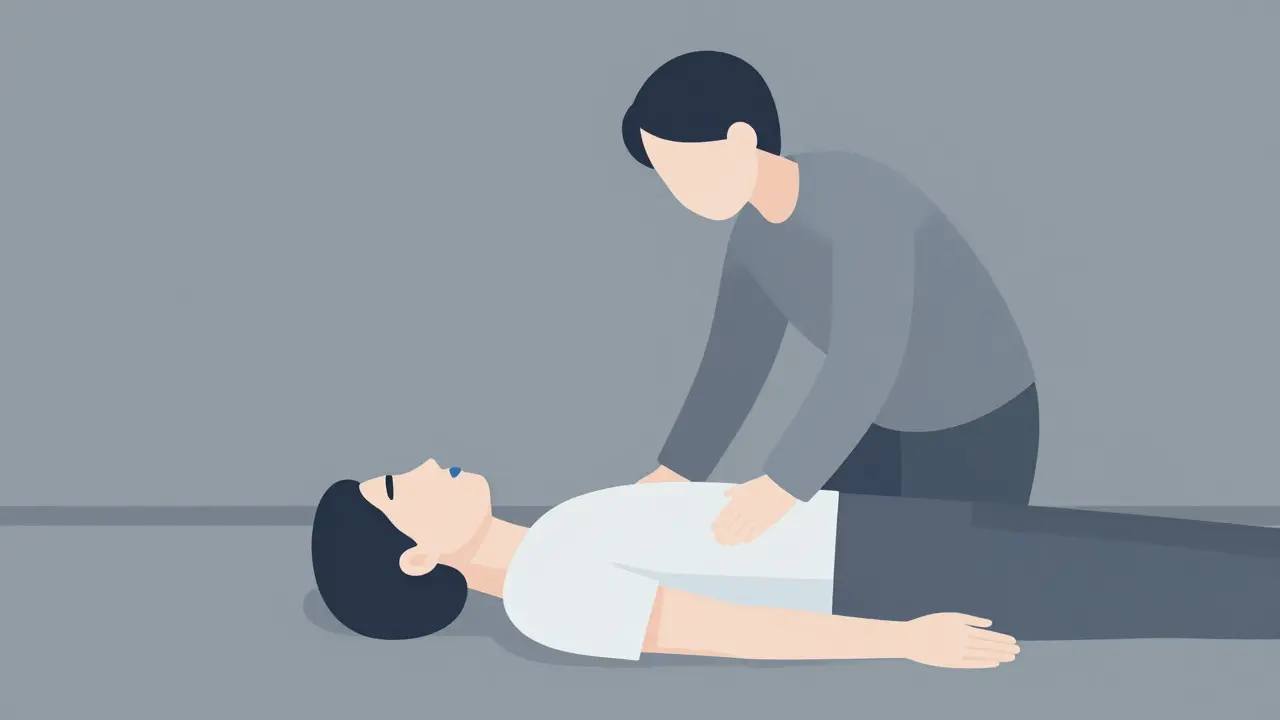
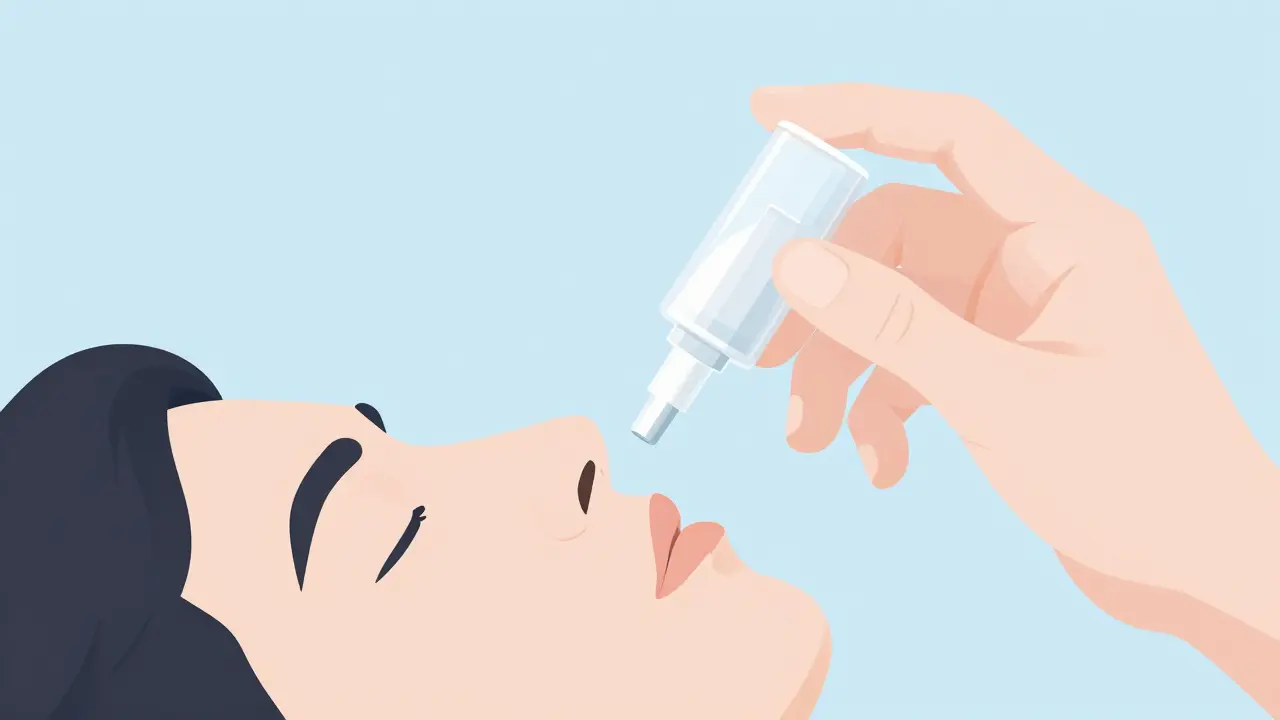
- Position the Person: Lay the person flat on their back. Support their neck and tilt their head back gently to open the airway. This makes it easier for them to breathe once the medication starts working.
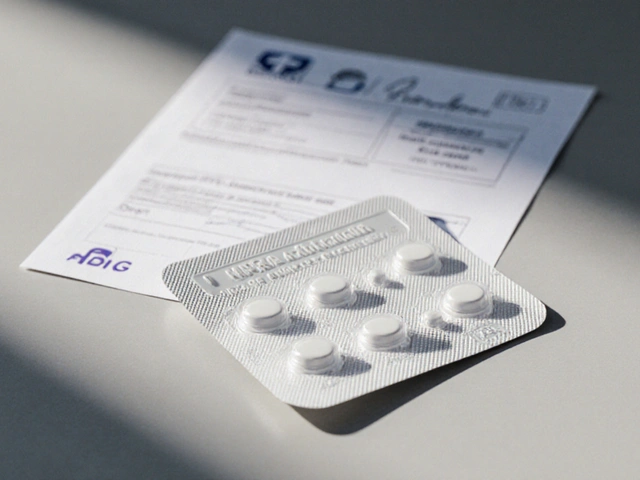
- Prepare the Device: Remove the naloxone nasal spray from its packaging. Be careful not to press the plunger yet. The device is single-use and pre-filled. Most brands, like NARCAN, come in a clear plastic case. Pull the tab to remove the unit.
- Insert the Nozzle: Hold the device with one hand, placing your middle finger on the nozzle and your thumb on the plunger. Gently insert the tip into one nostril until your fingers touch the bottom of the person’s nose. This is usually about half an inch to one inch deep. Don’t force it; just go until it stops comfortably.
- Press the Plunger: With your other hand, support the person’s head. Press the plunger firmly and all the way down to deliver the full dose. You should hear a click or feel resistance release. Remove the device immediately after pressing.
- Monitor for Response: Watch the person closely for 2-3 minutes. Check for normal breathing patterns. They may start coughing, gagging, or vomiting. This is a good sign-it means their body is waking up.
- Administer a Second Dose if Needed: If there is no response after 2-3 minutes, take a new naloxone device. Insert it into the other nostril and repeat the process. According to the CDC, about 32% of fentanyl-involved overdoses require two or more doses. Fentanyl is highly potent and may need more naloxone to reverse its effects.
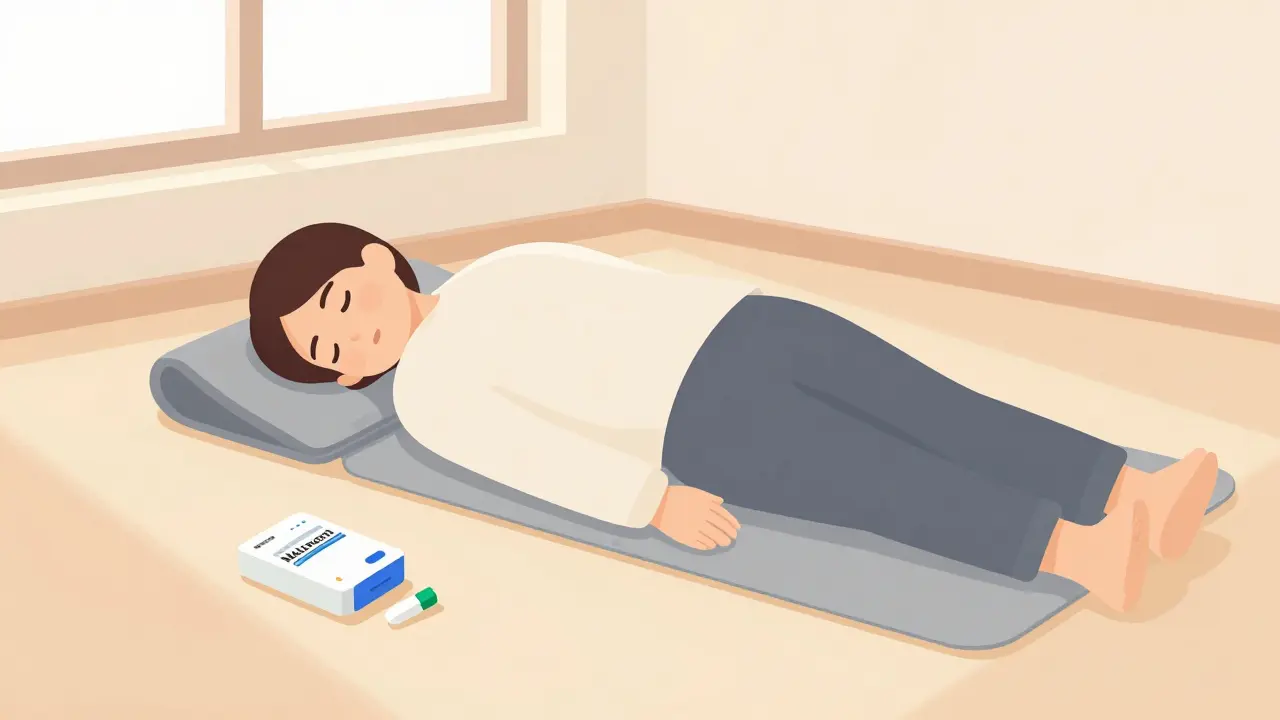
- Place in Recovery Position: If the person begins breathing but remains unconscious, roll them onto their side. This prevents them from choking if they vomit. Keep monitoring their breathing continuously.
What to Expect After Administration
Naloxone works quickly. You should see changes within 2 to 5 minutes. However, the effects are temporary. Naloxone stays in the body for only 30 to 90 minutes, while many opioids-especially synthetic ones like fentanyl-last much longer.
This creates a dangerous window called "renarcotization." Once the naloxone wears off, the opioids can start suppressing breathing again. This is why calling 911 is non-negotiable. Even if the person seems fully awake and fine, they need professional medical evaluation. Paramedics may need to provide additional doses or supportive care.
Also, be prepared for withdrawal symptoms. Naloxone kicks opioids out of the system abruptly. The person may experience nausea, vomiting, sweating, agitation, or anxiety. While unpleasant, these symptoms are less dangerous than respiratory failure. Reassure them that they are safe and that help is on the way.
Common Mistakes to Avoid
In high-stress situations, errors happen. Studies show that incomplete administration is a common issue. Here is how to avoid pitfalls:
- Don’t Activate Early: Never press the plunger before inserting the nozzle into the nose. If you do, you waste the dose, and you have no backup unless you have another kit.
- Don’t Skip the Head Tilt: If the head isn’t tilted back, the airway might remain partially blocked, reducing the effectiveness of rescue efforts.
- Don’t Assume One Dose Is Enough: Especially with fentanyl, one 4 mg dose might not be sufficient. Have a second device ready. Many kits come with two sprays for this reason.
- Don’t Delay CPR: If the person is not breathing at all, start rescue breathing or CPR immediately after administering naloxone. The American College of Emergency Physicians emphasizes that basic life support is critical while waiting for the drug to work.
Storage and Accessibility
Since March 2023, NARCAN nasal spray has been available over-the-counter (OTC) in the United States. You don’t need a prescription to buy it. It is sold in pharmacies, grocery stores, and online retailers.
Store the device at room temperature, between 68°F and 77°F (20°C-25°C). It has a shelf life of 24 months. Check the expiration date regularly. If you live in an area with extreme heat or cold, keep the device inside rather than in a car glove compartment, as temperatures outside the 59°F-104°F range can affect performance.
Keep the kit in a visible, accessible place. In an emergency, you won’t have time to search through drawers. Consider keeping one at home, one in your car, and one at work if applicable. Good Samaritan laws in 47 U.S. states protect individuals who administer naloxone in good faith during an emergency.
Who Should Carry Naloxone?
Anyone who lives with, cares for, or socializes with someone who uses opioids should carry naloxone. This includes family members, friends, partners, and neighbors. Community organizations, schools, and workplaces are increasingly distributing naloxone kits as part of harm reduction strategies.
You don’t need to be a healthcare professional to use it. The design is intuitive specifically for laypeople. Training programs offered by local health departments or harm reduction coalitions can boost confidence, but they are not required to save a life. Simply knowing the steps above puts you in a strong position to act.
Does naloxone work on all types of opioids?
Yes, naloxone works on all opioids, including heroin, fentanyl, oxycodone, morphine, and prescription painkillers. However, synthetic opioids like fentanyl are more potent, so multiple doses of naloxone may be required to reverse an overdose involving these substances.
Can I give naloxone to someone who hasn't taken opioids?
It is safe to administer naloxone even if you are unsure whether opioids are involved. If the person has not taken opioids, naloxone will have no effect. There is no risk of harm from giving it unnecessarily, but it is crucial to still call 911 for unresponsive individuals.
How long does naloxone last in the body?
Naloxone typically lasts 30 to 90 minutes. Because many opioids last longer than this, the person may slip back into overdose once the naloxone wears off. Continuous monitoring and professional medical care are essential after administration.
Is naloxone available without a prescription?
Yes, since March 2023, NARCAN nasal spray has been approved for over-the-counter sale in the United States. You can purchase it at most pharmacies and major retail stores without a doctor's prescription.
What should I do if the person vomits after receiving naloxone?
Vomiting is a common side effect as the body wakes up. Roll the person onto their side (recovery position) to prevent choking. Clear any obstructions from their mouth if safe to do so, and continue monitoring their breathing until emergency services arrive.